
3D Printing Revolution in Industrial Automation Systems
Mouser Electronics Explores 3D Printing Revolution and Its Impact on Design, Engineering and Manufacturing
3D Printing Revolution Transforms Industrial Automation and Manufacturing
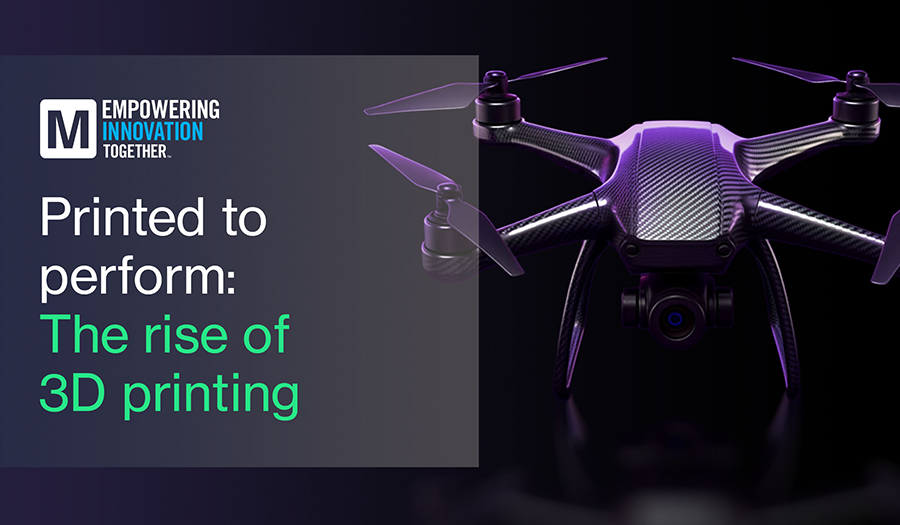
Mouser Electronics launches its latest technology series exploring additive manufacturing. The program examines 3D printing’s impact on industrial design and production. Advanced materials and AI integration drive significant changes.
Advanced Manufacturing Capabilities
3D printing creates complex geometries impossible with traditional methods. It produces intricate internal structures efficiently. This technology enables unprecedented design freedom for engineers. Moreover, AI optimization enhances manufacturing precision.
Industry Applications and Innovations
Additive manufacturing serves diverse industrial sectors now. FAA-approved titanium engine components demonstrate reliability. Biomedical cartilage implants show material versatility. These applications highlight technology maturation.
Expert Insights and Podcast Features
Mouser’s podcast hosts industry leaders discussing manufacturing evolution. Mark Beatty of 3D Agility explains equipment lifecycle changes. Stefanie Brickwede details European additive manufacturing progress. These experts explore adoption challenges and advantages.
Technology Acceleration and Impact
Raymond Yin emphasizes additive manufacturing’s accelerating influence. New materials and AI tools reduce design limitations. The technology solves real-world supply chain problems. On-demand production becomes increasingly feasible.
Educational Program Resources
The EIT series provides comprehensive technical content. It includes videos, articles, and subscriber materials. Engineers learn about AI tools and material advances. This knowledge helps develop innovative manufacturing solutions.
Industrial Automation Integration
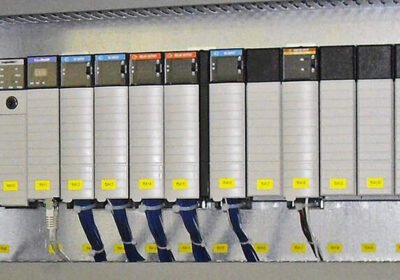
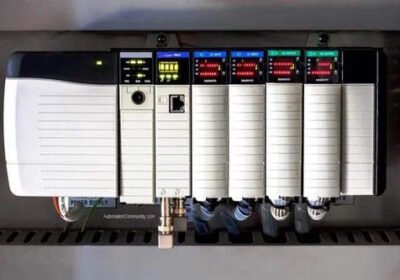
Additive manufacturing complements traditional automation systems. Factories integrate 3D printing with PLC-controlled production lines. DCS systems manage hybrid manufacturing processes. This integration optimizes overall equipment effectiveness.
Market Growth and Statistics
The global 3D printing market expands rapidly. MarketsandMarkets projects it will reach $76.2 billion by 2030. Industrial automation adoption drives significant growth. Manufacturers increasingly adopt additive technologies.
Supply Chain Advantages
3D printing enables localized spare parts production. It reduces dependency on global supply chains. Manufacturers create customized components on-demand. This capability minimizes production downtime significantly.
Professional Analysis and Outlook
From PLCDCSHUB’s perspective, 3D printing revolutionizes maintenance practices. Factories now print replacement parts for automation equipment. This reduces PLC and DCS system downtime dramatically. Manufacturers save considerable maintenance costs.
Industrial automation professionals should monitor this technology. Additive manufacturing creates new possibilities for custom fixtures. It enables rapid prototyping of machine components. Companies gain competitive advantages through adoption.
Organizations implementing advanced manufacturing need reliable control systems. PLCDCSHUB provides industrial automation components. Explore our PLC and DCS solutions for modern manufacturing here.
Implementation Scenarios
✅ Custom Tooling Production: Create specialized jigs and fixtures rapidly. Reduce lead times from weeks to hours effectively.
⚙️ Prototype Development: Accelerate product design and testing cycles. Iterate designs quickly with minimal tooling costs.
🔧 Spare Parts Manufacturing: Produce obsolete or hard-to-find components. Maintain older automation equipment efficiently.
Frequently Asked Questions
How does 3D printing integrate with existing automation systems?
Modern 3D printers connect directly to factory networks. They operate under PLC control within automated production lines seamlessly.
What materials are suitable for industrial 3D printing applications?
Industrial printers use metals, engineering plastics, and composites. These materials meet rigorous manufacturing requirements effectively.
Can 3D printing reduce automation system downtime?
Yes, it enables rapid production of replacement parts. This minimizes equipment downtime and maintenance costs significantly.
About Mouser Electronics
Mouser Electronics distributes electronic components and industrial automation products globally. The company focuses on new product introductions from leading manufacturers. Their website features millions of products from numerous brands. They serve customers worldwide with comprehensive support.
See That’s 3D Printed?!