
ABB Pulp Mill Optimization Software for Process Control
ABB Revolutionizes Pulp Production with Advanced Mill-Wide Optimization Software
The global pulp and paper market faces increasing operational challenges. According to Statista, this industry will reach $368 billion by 2027. Therefore, manufacturers need smarter digital solutions to maintain competitiveness.
Addressing Complex Pulp Production Challenges
ABB recently launched ABB Ability Plant Optimizer for Pulp Mills. This dynamic software bridges planning and real-time operations. Moreover, it tackles the interconnected nature of modern pulp manufacturing.
Pulp mills must balance dozens of simultaneous processes. They also handle sudden disruptions and shifting demand. However, many facilities still operate with siloed systems and limited visibility.
Three Core Capabilities Driving Operational Excellence
ABB’s new solution focuses on three fundamental areas. These capabilities address critical industry pain points:
- ✅ End-to-end traceability across production processes
- ⚙️ Economic optimization through advanced analytics
- 🔧 Operational resilience for unpredictable conditions
Each capability delivers specific benefits to pulp manufacturers. Together, they create comprehensive operational improvement.
Enhanced Traceability and Quality Control
Pulp production involves highly interconnected processes. Small deviations can create costly ripple effects. Therefore, real-time tracking becomes essential for quality control.
The software monitors material flows and critical variables continuously. It helps operators pinpoint process inefficiencies quickly. Additionally, it traces quality issues to their original sources.
Dynamic Economic Optimization Features
The system moves beyond reactive planning approaches. It uses MES targets to create weekly and daily plans. These plans account for real-world operational constraints.
Key optimization functions include:
- Scenario modeling for demand changes
- Optimal set-point calculations
- Production rate optimization
- Waste reduction algorithms
These features help mills minimize costs while maximizing throughput.
Building Operational Resilience
Modern pulp mills face constant operational challenges. The software provides tools for better decision support. Consequently, teams can respond faster to changing conditions.
Automated grade transitions enhance operational discipline. Customizable reporting improves standardization. Alarm-based diagnostics help prevent issue escalation.
Industry Expertise and Digital Transformation
Sanjit Shewale, ABB’s Digital Division Head, emphasized their approach. He stated that digitalization turns complexity into coordinated action. The solution integrates planning with real-time operations.
ABB brings decades of pulp industry experience. Their understanding of process automation informs software development. This expertise ensures practical, effective solutions.
PLCDCSHUB Perspective: Integration with Control Systems
From our industrial automation viewpoint, this software represents significant advancement. It demonstrates how digitalization enhances traditional control systems. Proper implementation requires careful planning.
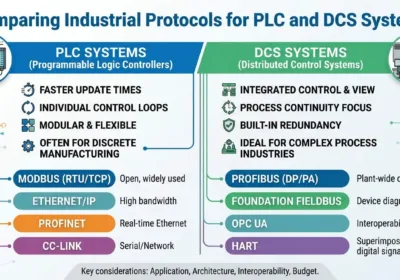
The optimizer integrates with existing DCS and PLC infrastructure. Therefore, mills can leverage current investments while adding new capabilities. This approach maximizes return on automation assets.
Implementation Considerations for Pulp Mills
Successful software implementation requires strategic planning. Mills should consider several key factors:
- Current automation system compatibility
- Staff training and change management
- Data infrastructure requirements
- Performance measurement criteria
Proper preparation ensures smoother transitions and better results.
Practical Application Scenarios
Northern European Pulp Mill Case: A Scandinavian mill implemented the optimization software. They achieved 15% reduction in energy consumption. Additionally, product quality consistency improved by 22%.
North American Implementation: A Canadian pulp producer integrated the system with their DCS. They reduced unplanned downtime by 30%. Moreover, production throughput increased by 8% annually.
Frequently Asked Questions (FAQ)
Q: How does this software differ from traditional DCS systems?
A: While DCS controls individual processes, the optimizer coordinates entire mill operations. It provides higher-level optimization across multiple production areas and time horizons.
Q: Can existing ABB automation customers integrate this solution easily?
A: Yes, the software is designed for seamless integration with ABB’s control systems. However, proper configuration and staff training are essential for optimal performance.
Q: What implementation timeline should mills expect?
A: Typical implementation ranges from 6 to 12 months. This depends on mill size, existing infrastructure, and customization requirements.
Discover how advanced optimization software can transform your pulp operations. Visit PLCDCSHUB for comprehensive industrial automation resources and expert guidance.
Related Posts