Advanced Cooling Automation with Redfish Protocol Integration
Redfish-Embedded PLCs Revolutionize Data Center Cooling
Redfish-Embedded PLCs Transform Data Center Automation and Cooling Control
Data Center Expansion and Cooling Challenges
Data center growth creates significant automation opportunities. AI and cloud services drive massive infrastructure demand. Moreover, cooling technology requirements increase dramatically. Frost & Sullivan projects market growth to $18.5 billion by 2030. This represents 8.5% compound annual growth rate.
Cooling System Energy Demands
Data center cooling consumes 40% of total energy. The U.S. Department of Energy confirms this substantial percentage. Higher data processing generates more heat. Consequently, component performance suffers significantly. Efficient thermal management becomes critically important.
Advanced Cooling Technologies
Traditional cooling methods face phase-out scenarios. Direct Liquid Cooling gains widespread adoption. Liquid Immersion Cooling demonstrates superior efficiency. Additionally, AI integration optimizes cooling processes dynamically. These technologies reduce energy costs substantially.
Redfish Protocol Fundamentals
Redfish standardizes data center component communication. It provides web-based RESTful interface capabilities. This protocol simplifies multi-vendor interoperability. Furthermore, it enables single interface management. The DMTF organization maintains specification standards.
Redfish-Embedded PLC Advantages
Traditional PLCs require protocol gateways typically. They use Modbus or EtherNet/IP communications. However, Redfish-embedded PLCs eliminate gateway needs. They communicate directly with IT systems. Therefore, they enable real-time data exchange seamlessly.
Cooling Control Applications
✅ Real-Time Monitoring
PLCs access thermal data via Redfish API. They monitor temperature and humidity parameters. This enables precise environmental control.
✅ Liquid Cooling Management
Controllers regulate coolant flow and pump operations. They maintain optimal temperature ranges consistently. Consequently, they prevent component damage effectively.
⚙️ Predictive Maintenance
PLCs analyze cooling system performance trends. They identify potential failures proactively. This reduces downtime and maintenance costs.
Operational Benefits and Features
Redfish-embedded PLCs offer multiple advantages. They provide remote management capabilities extensively. Additionally, they support automated alarm systems. Data logging ensures compliance requirements. Moreover, they enable energy optimization strategies.
Market Impact and Statistics
Goldman Sachs Research forecasts significant power consumption growth. US data centers will use 8% of national power by 2030. The industrial automation market expands correspondingly. MarketsandMarkets projects PLC market reaching $15 billion by 2027. Redfish integration addresses scalability challenges.
Technical Implementation Considerations
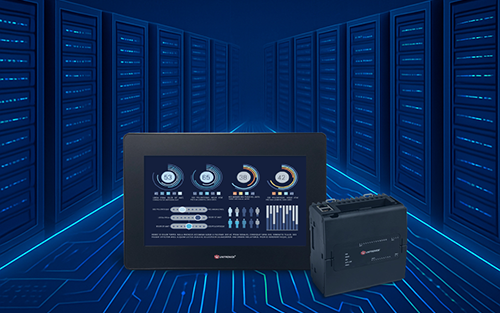
Redfish-embedded PLCs support various cooling methodologies. They handle traditional fan speed control effectively. Furthermore, they manage advanced liquid cooling systems. Direct-to-chip and immersion cooling benefit particularly. Unitronics UniStream series demonstrates practical implementation.
PLCDCSHUB Professional Analysis
Redfish integration represents industrial automation evolution. As PLCDCSHUB experts observe, protocol convergence accelerates. Traditional PLC systems face interoperability challenges. However, Redfish-embedded controllers bridge IT-OT gaps successfully. We recommend exploring PLCDCSHUB’s automation solutions for data center projects. Our expertise ensures optimal control system integration.
Implementation Best Practices
Organizations should follow structured implementation approaches. First, assess existing cooling infrastructure compatibility. Second, evaluate Redfish protocol requirements thoroughly. Third, plan phased migration from legacy systems. These steps ensure successful technology adoption.
Future Industry Directions
Data center automation continues evolving rapidly. AI and machine learning enhance cooling optimization. Furthermore, energy efficiency demands increase progressively. Redfish standards expand to cover additional systems. These trends shape future automation landscapes significantly.
Frequently Asked Questions
How do Redfish-embedded PLCs differ from traditional controllers?
They integrate Redfish protocol natively without gateways. This enables direct communication with data center management systems.
What cooling methods support Redfish integration?
Direct Liquid Cooling, Liquid Immersion Cooling, and traditional air cooling systems all benefit from Redfish implementation.
How does Redfish improve energy efficiency in data centers?
It enables precise cooling control based on real-time thermal data. This reduces unnecessary energy consumption significantly.
For industrial automation and control system solutions, visit PLCDCSHUB.com