CP451-10 vs CP451-50: Yokogawa Control Processor Comparison
CP451-10 vs. CP451-50: Choosing the Best Control Processor for CENTUM VP
Selecting the right Field Control Station (FCS) components is critical for long-term plant stability. In the Yokogawa CENTUM VP ecosystem, the CP451-10 and CP451-50 serve as the brains of the industrial automation architecture. While they appear similar, their performance envelopes differ significantly. Our team at PLCDCS HUB has analyzed these differences to help you optimize your DCS investment.

The Core Distinction in Controller Performance
The primary difference lies in CPU throughput and memory headroom. The CP451-10 functions as a standard-tier processor for steady-state operations. Conversely, the CP451-50 handles high-density data environments. Choosing the wrong model can lead to “CPU saturation” during critical process upsets. Consequently, engineers must evaluate current loop counts against future expansion goals before making a purchase.
Analyzing Control Execution and Throughput Capacity
The CP451-50 excels in high-speed execution environments. It processes complex PID algorithms and advanced logic sequences faster than the CP451-10. This speed is vital for processes with short scan cycles under 100 ms. In our experience at PLCDCS HUB, refineries often prefer the CP451-50 to manage the heavy computational load of alarm management and Sequence of Events (SOE) recording simultaneously.
Scalability and Logic Density in Modern Factories
System scalability directly impacts the total cost of ownership. The CP451-50 supports a higher density of function blocks per node. This capacity allows engineers to keep complex logic within a single FCS. If you use the CP451-10 for large-scale tasks, you might need extra hardware. Adding more controllers increases network traffic and footprint. Therefore, the CP451-50 often proves more economical for growing facilities.
Ensuring Deterministic Response Under High Load
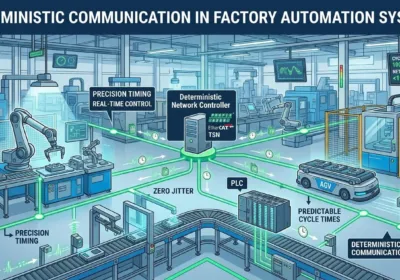
Reliability in a DCS depends on deterministic timing. During an “alarm flood,” the processor must maintain its scan cycle integrity. The CP451-50 provides a larger timing margin, which prevents jitter in PID execution. This stability is crucial for chemical reactors where precise timing ensures product quality. While the CP451-10 is reliable, it may struggle when operator faceplate requests and logic execution peak at the same time.
Maintenance Insights and Environmental Management
Field installation requires careful attention to thermal dynamics and grounding.
- Thermal Control: CP451-50 modules generate more heat due to higher processing power.
- Airflow Requirements: Always maintain clear ventilation paths within the FCS cabinet.
- Grounding Integrity: Ensure consistent grounding to prevent intermittent communication faults.
- Redundancy Planning: Never mix different processor classes in a redundant pair configuration.
Strategic Selection Guidance for Plant Managers
Industry data suggests that 30% of control systems expand within the first three years. If your project involves phased expansion, the CP451-50 is the safer strategic bet. However, for standalone utility units or small-scale water treatment, the CP451-10 offers a cost-effective solution without sacrificing Yokogawa’s signature reliability.
Application Scenarios and Solutions
- Scenario A (Upgrading Legacy CS 3000): Use the CP451-50 to consolidate multiple older nodes into a single high-performance unit.
- Scenario B (Remote Wellhead Control): The CP451-10 is ideal for isolated areas with low loop counts and minimal logic changes.
- Scenario C (Ethylene Plant Expansion): Deploy the CP451-50 to handle the intensive interlock logic and high-speed data throughput required.
PLCDCS HUB Perspective: We recommend the CP451-50 for any facility where downtime costs exceed $10,000 per hour. The extra performance overhead acts as insurance against unforeseen logic complexity. For high-quality Yokogawa components and expert technical support, visit the PLCDCS HUB Limited website to explore our full inventory.
Frequently Asked Questions (FAQ)
Q1: Can I replace a CP451-10 with a CP451-50 without changing the baseplate?
Yes, they share the same physical form factor and mounting requirements. However, you must update the FCS configuration in the engineering builder to recognize the new hardware capacity. Always verify that your current CENTUM VP software revision (e.g., R6.01 or higher) supports the specific CPU firmware.
Q2: How do I identify if my current controller is reaching its performance limit?
Check the “Load Factor” in the CENTUM maintenance view. If your CP451-10 consistently runs above 60% during normal operation, it will likely struggle during an emergency. In such cases, upgrading to a CP451-50 is the best way to regain safety margins.
Q3: Is there a significant price-to-performance gap between these two models?
The CP451-50 carries a higher initial price tag. However, the “real” cost includes potential future hardware additions. If you expect to add more than 20% more logic in the next five years, the CP451-50 is actually the cheaper long-term investment.
Related Posts