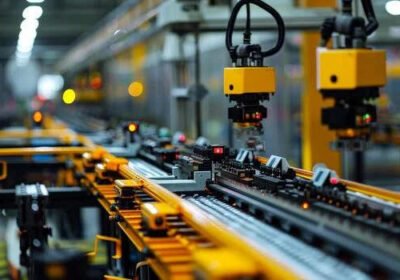

Industrial DevOps Platform Transforms Manufacturing Automation
Copia Automation Partners With Danieli Automation DIGI&MET to Drive Industrial DevOps Innovation Globally
Industrial DevOps Revolution Transforms Manufacturing Automation
Strategic Partnership Drives Digital Transformation
Copia Automation and Danieli Automation DIGI&MET announced a major partnership. This collaboration spans operations in Italy and the United States. Danieli will implement Copia’s Industrial DevOps platform across facilities. The partnership aims to enhance automation workflow efficiency. Moreover, it accelerates industrial software development and deployment.
Industrial DevOps Platform Capabilities
Copia’s platform delivers critical features for manufacturing automation. These capabilities transform how companies manage control systems:
- Multi-vendor PLC and DCS code management
- Automated version control for industrial software
- Real-time collaboration tools for engineering teams
- AI-powered Copilot for automation programming
- Cloud-based backup and recovery systems
Leadership Perspectives on Innovation
Adam Gluck, CEO of Copia Automation, expressed enthusiasm about the partnership. He emphasized Danieli’s forward-thinking technology approach. Stefano Martinis, CEO of Danieli Automation, highlighted cultural alignment between companies. Both leaders see significant potential for operational excellence. Therefore, they expect substantial improvements in automation efficiency.
Industrial Automation Market Context
The manufacturing sector increasingly adopts DevOps principles. According to MarketsandMarkets, the industrial automation market will reach $306.2 billion by 2027. This represents a 9.3% compound annual growth rate. Industrial DevOps addresses critical industry challenges. These include reducing downtime and improving collaboration.
Compliance and Security Advantages
Danieli will utilize Copia’s EU Cloud infrastructure. This supports compliance with NIS2 regulations. The platform ensures data sovereignty and security. Additionally, it provides optimal performance for European operations. Companies must meet strict cybersecurity standards. Therefore, this infrastructure choice demonstrates regulatory foresight.
PLCDCSHUB Expert Analysis
From PLCDCSHUB’s industrial automation perspective, this partnership signals a major shift. Traditional PLC and DCS programming methods face disruption. Industrial DevOps brings software engineering best practices to factory floors. We observe growing demand for version control in automation projects. Furthermore, manufacturers seek better collaboration tools for control systems.
For reliable PLC and DCS components that integrate with modern platforms, explore PLCDCSHUB’s comprehensive product range. Our solutions support digital transformation initiatives.
Implementation Benefits for Metal Industry
Danieli’s adoption will deliver measurable improvements in several areas:
- Faster automation project deployment
- Reduced system integration time
- Improved code quality for control systems
- Enhanced team collaboration across locations
- Better compliance with industry standards
Technical Implementation Framework
The partnership follows a structured implementation approach. First, Danieli will deploy Copia’s platform in Italian facilities. Next, they will expand to United States operations. The rollout includes comprehensive staff training. Additionally, it involves integrating existing automation systems. This phased approach ensures minimal disruption.
Future Industry Implications
This collaboration may influence broader industrial automation trends. Other manufacturers will likely adopt similar DevOps approaches. The partnership demonstrates tangible benefits for large-scale operations. According to IEEE research, companies using Industrial DevOps report 40% faster deployment. They also experience 30% fewer production incidents.
Frequently Asked Questions
What is Industrial DevOps in manufacturing?
Industrial DevOps applies software development practices to industrial automation. It manages PLC code, version control, and collaboration.
How does this benefit traditional automation systems?
It reduces downtime and improves code quality. Teams collaborate better on DCS and PLC programming projects.
Can small manufacturers implement Industrial DevOps?
Yes, scalable solutions exist for companies of all sizes. The approach adapts to different automation environments.