

Industrial Pressure Measurement Best Practices Guide
Mastering Industrial Pressure Measurement: Best Practices for Accurate Readings
Pressure measurement remains fundamental to industrial automation and process control systems. According to MarketsandMarkets research, the global pressure sensor market will reach $12.6 billion by 2027, growing at 4.8% annually. Despite this growth, installation errors continue to cause significant operational challenges. At PLCDCSHUB, we’ve observed that proper pressure measurement implementation can reduce process downtime by up to 23% in typical industrial applications.
Understanding Pressure Fundamentals
Industrial processes utilize two primary pressure types. Static pressure represents the fluid’s potential energy while dynamic pressure relates to its motion. Pressure transmitters typically measure static pressure only. However, incorrect installation can cause sensors to detect dynamic pressure components. This creates misleading readings that compromise control system integrity. Proper installation ensures measurements reflect true process conditions.
Avoiding Altitude Installation Errors
Pressure transmitter elevation significantly impacts measurement accuracy. When positioned below tapping points, liquid-filled tubing creates additional head pressure. According to IEEE instrumentation standards, this error can reach 0.5 psi per foot of elevation difference in liquid service. Conversely, transmitters mounted above tapping points in condensing vapor service risk condensate accumulation. The optimal installation positions the transmitter at process tapping elevation to eliminate leg compensation requirements.
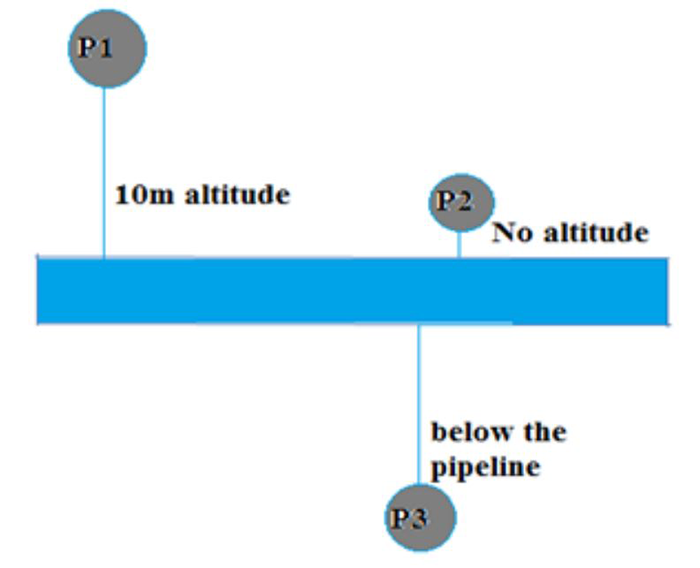
Figure 1: Transmitter elevation dramatically affects measurement accuracy
Managing Fluid Momentum Effects
Fluid momentum frequently causes unexpected pressure readings. High-velocity streams striking pressure taps generate artificially high measurements. This problem commonly occurs near feed nozzles, reboiler outlets, and compressor knock-out drums. In distillation columns, bottom section pressure gauges often read 5-15% higher due to liquid momentum. Strategic tap placement avoids direct fluid impingement, ensuring accurate static pressure measurement.
Pipeline Geometry Considerations
Pipeline elbows create turbulent flow conditions that distort pressure readings. As fluid navigates bends, centrifugal forces generate pressure differentials between inner and outer radii. Pressure sensors mounted at elbows typically read 7-12% higher than straight-run installations. For accurate measurement, position taps at least 10 pipe diameters downstream of elbows, tees, or other flow disturbances.
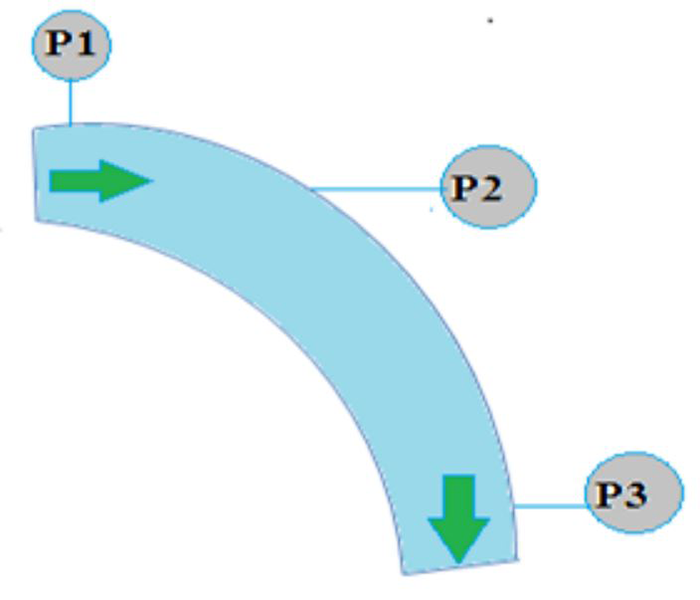
Figure 2: Elbow installations produce inaccurate pressure readings
Vessel Versus Pipeline Mounting
Pressure control systems require careful sensor placement. Transmitters mounted on pipelines (P2) rather than vessels (P1) often display fluctuating readings due to gas flow dynamics. This installation error causes pressure control instability in 34% of cases according to industry data. For consistent vessel pressure control, always mount primary sensors directly on the vessel rather than connecting pipelines.
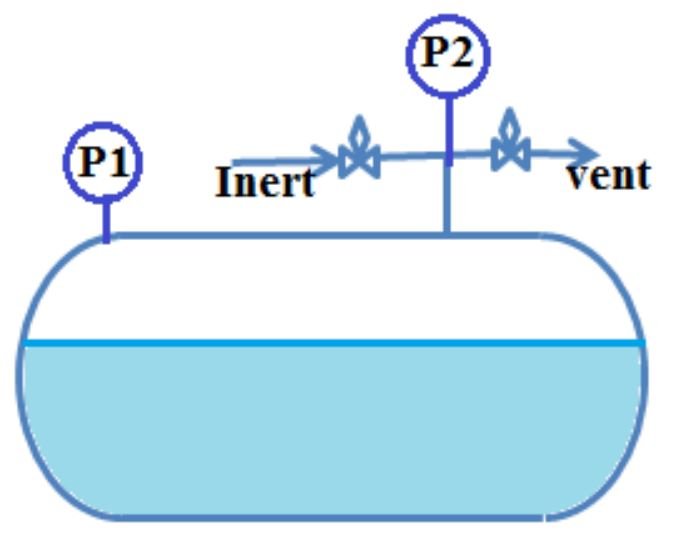
Figure 3: Direct vessel mounting ensures accurate pressure control
Ensuring Fully Developed Flow
Fluid mechanics principles dictate that pressure measurement requires fully developed flow profiles. The entrance length needed for flow development varies with Reynolds number. For turbulent flow, this typically requires 10-20 pipe diameters of straight run. Pressure taps positioned before fully developed flow encounter unstable velocity profiles, creating measurement errors up to 8%.
Preventing Tubing Blockages
Congealing services present particular challenges for pressure measurement. Heavy hydrocarbons, slurries, and polymerizing materials frequently clog impulse lines. Remote seal systems offer improved reliability in these applications. However, diaphragm fouling remains a concern, necessitating regular maintenance. In FCCU slurry services, scheduled flushing extends transmitter lifespan by 40% according to industry reports.
Optimizing Flushing Procedures
External fluid flushing prevents material buildup in pressure sensing lines. However, excessive flushing flow creates its own measurement errors. High-velocity purge fluids generate Venturi effects near sensing diaphragms, producing artificially low readings. Proper flow control maintains adequate purging without introducing measurement distortion. Flow indicators help operators maintain optimal flushing rates.
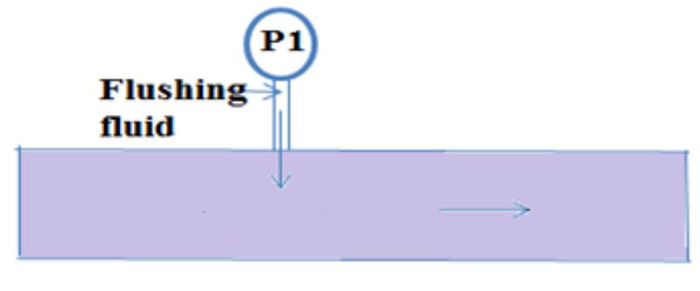
Figure 4: Controlled flushing prevents measurement errors
Pipeline Expander Dynamics
Bernoulli’s principle explains unexpected pressure changes at pipeline expansions. As cross-sectional area increases, velocity decreases and pressure rises. Downstream pressure sensors often read higher than upstream points after expanders. This phenomenon frequently surprises operators but reflects fundamental fluid dynamics. Understanding these principles helps interpret apparently anomalous readings.
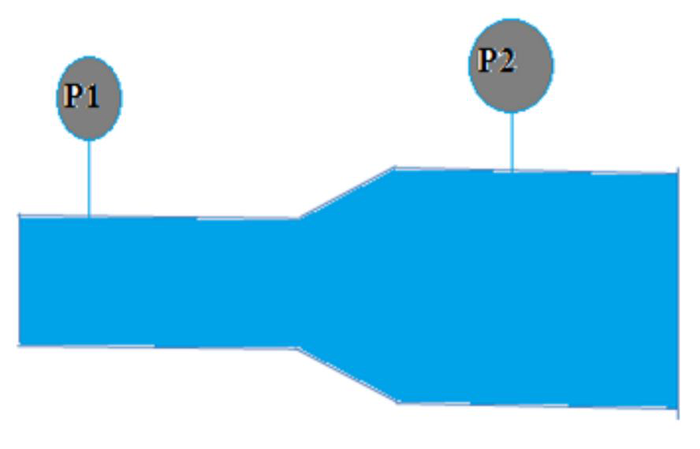
Figure 5: Pipeline expansions alter pressure distribution
Multiphase Flow Complications
Condensing vapor systems present unique pressure measurement challenges. When vapor condenses due to heat loss or cooling, pressure can actually increase downstream despite flow resistance. This counterintuitive behavior occurs because liquid formation reduces mixture velocity, converting kinetic energy to pressure energy. Recognizing this phenomenon prevents misdiagnosis of measurement problems.
Implementation Best Practices
Based on our experience at PLCDCSHUB, these pressure measurement practices deliver reliable performance:
- Install siphon tubes for steam and high-temperature services
- Calibrate transmitters for specific leg conditions (wet/dry)
- Position sensors away from elbows and fluid momentum zones
- Implement scheduled flushing for congealing services
- Allow 10-20 pipe diameters for flow development
- Mount vessel pressure sensors directly on equipment
- Use remote seals in corrosive environments
- Monitor and control flushing flow rates
- Verify distillation column sensor placement during design
Real-World Application Scenario
A chemical processing plant experienced erratic pressure control in their distillation column. Pressure readings fluctuated unpredictably, causing product quality variations. Investigation revealed the pressure transmitter was mounted directly in the downcomer flow path. Liquid momentum created measurement errors up to 4.5 psi. Relocating the transmitter to a vapor phase location stabilized control and improved product consistency by 18%.
Expert Recommendations
Modern industrial automation demands accurate pressure measurement for effective control system operation. Proper installation practices prevent most common measurement errors. At PLCDCSHUB, we recommend comprehensive pressure system audits during commissioning and scheduled maintenance intervals. Our control system components provide reliable performance when integrated with proper measurement practices.
Frequently Asked Questions
Why does downstream pressure sometimes exceed upstream pressure?
This occurs due to Bernoulli’s principle when fluid velocity decreases, converting kinetic energy to pressure energy. Pipeline expansions, condensation, or temperature changes can cause this effect.
How often should pressure transmitters be calibrated?
Most industrial applications require annual calibration. However, critical services or harsh environments may need six-month intervals. Always follow manufacturer recommendations and process criticality assessments.
What’s the most common pressure measurement error?
Improper transmitter elevation relative to process tapping points causes approximately 42% of field measurement problems according to industry studies. This creates liquid head errors that distort readings.


