Industrial Vision Systems for Quality Control Automation
SWIR Camera Technology Revolutionizes Semiconductor Quality Control
Advanced Defect Detection for Semiconductor Manufacturing
Semiconductor fabrication requires precise optical inspection systems. These systems must identify both surface and subsurface wafer flaws. Undetected defects can severely impact chip performance and reliability. Short Wavelength Infra-Red cameras provide essential inspection capabilities.
SWIR Technology Enables Subsurface Visualization
Silicon becomes transparent at SWIR wavelengths around 1,100 nm. This transparency allows visualization of internal structures. Cameras detect micro-cracks and impurities invisible to standard vision systems. Consequently, manufacturers achieve better quality control throughout production.
Semiconductor Market Demands Higher Quality Standards
Integrated circuits form the foundation of modern electronics. World Semiconductor Trade Statistics projects $728 billion in global sales. AI and computing applications drive unprecedented quality requirements. Every manufacturing defect creates costly ripple effects across supply chains.
SVS-Vistek SenSWIR FXO Camera Specifications
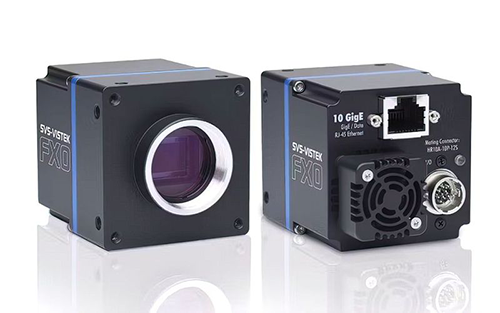
SVS-Vistek offers advanced SWIR cameras for semiconductor foundries. The SenSWIR FXO series features resolutions up to 5.2 megapixels. Key technical specifications include:
- Extended wavelength range from 400 to 1700 nm
- Simultaneous SWIR and visible image recording
- 10GigE Vision or CoaXPress CXP-12 interfaces
- High frame rates up to 173 frames per second
- 3.45 µm pixels for capturing minute details
Enhanced Imaging Capabilities and Thermal Management
The camera housing incorporates efficient thermal management systems. This ensures outstanding dynamic range and image homogeneity. Two-Point Non-Uniformity Correction enhances image quality. Thermoelectric Cooling reduces thermal noise and dark current significantly.
Industrial Automation Integration Features
SVS-Vistek cameras streamline SWIR imaging implementation. GenICam 3.0 and GenTL create standardized software interfaces. Integrated 4-channel strobe controller supports complex illumination scenarios. These features facilitate seamless integration with existing automation systems.
Market Trends in Semiconductor Inspection Technology
According to MarketsandMarkets, the machine vision market will reach $18.2 billion by 2029. Semiconductor inspection represents the fastest-growing application segment. PLCDCSHUB analysis indicates that advanced inspection systems reduce manufacturing defects by up to 45%. This improvement directly impacts production yields and profitability.
Practical Applications in Semiconductor Manufacturing
SWIR cameras serve multiple critical inspection functions:
- Wafer subsurface defect detection
- Ingot quality assessment
- Semiconductor die inspection
- Packaged chip verification
- Production line quality monitoring
Implementation Considerations for Manufacturing Facilities
Manufacturers should evaluate several key factors when implementing SWIR systems. Integration with existing control systems requires careful planning. Lighting conditions and environmental factors affect camera performance. Regular calibration ensures consistent inspection accuracy over time.
Future Developments in Industrial Vision Systems
AI integration enhances defect classification capabilities. Higher resolution sensors enable detection of smaller imperfections. Faster interfaces support real-time inspection at production speeds. PLCDCSHUB monitoring shows increasing adoption of multi-spectral imaging solutions.
Frequently Asked Questions
What makes SWIR cameras superior for semiconductor inspection?
SWIR wavelengths penetrate silicon to reveal subsurface defects. Standard visible light cameras cannot detect these internal flaws. The technology significantly improves quality control effectiveness.
How do these systems integrate with industrial automation?
SWIR cameras connect via standard industrial interfaces like 10GigE and CoaXPress. They support GenICam protocols for seamless software integration. This allows direct connection to PLC and control systems.
What industries benefit from SWIR inspection technology?
Semiconductor manufacturing gains immediate benefits. Solar cell production uses similar inspection requirements. Medical device and aerospace industries also apply this technology for quality assurance.
Discover more about industrial automation and control systems at PLCDCSHUB. Our platform provides comprehensive resources for manufacturing professionals implementing advanced inspection technologies.
Related Posts