ISA Student Programs for Automation Careers | Industry Preparation
How ISA Student Programs Build Future Automation Leaders
The global industrial automation market continues to expand rapidly. MarketsandMarkets projects it will reach $306.2 billion by 2027. This growth creates unprecedented demand for skilled automation professionals. Student programs like ISA’s play a crucial role in developing this talent pipeline. At PLCDCSHUB, we’ve observed how early industry exposure shapes successful automation careers.
Discovering Industrial Automation Through Student Workshops
College workshops often introduce students to industrial automation concepts. These sessions typically cover PLC programming, robotics, and control systems. Hands-on learning experiences help students understand real-world applications. Industry professionals and senior students usually lead these interactive sessions.
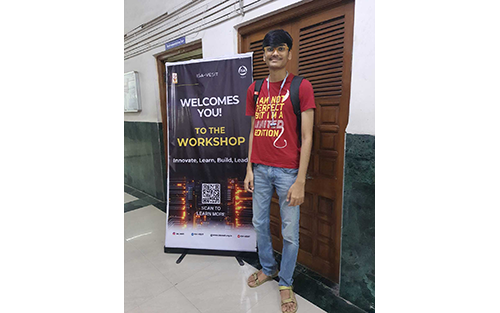
The ISA student section at VESIT Mumbai demonstrates this approach effectively. Their workshops create collaborative learning environments. Students gain practical skills beyond theoretical classroom knowledge. This methodology builds confidence and technical competence simultaneously.
Competition Experience in Automation Education
The India Automation Games provide valuable practical experience. Students encounter multiple automation technologies during these events:
- PLC programming for industrial control systems
- Pneumatics system design and implementation
- LabVIEW software for test and measurement
- Robotics integration and programming
These competitions simulate real industrial challenges. Participants learn to work under pressure and solve problems quickly.
Developing Technical Skills Through Practical Projects
Advanced student projects often incorporate cutting-edge technologies. The VR-controlled SLAM-based autonomous mobile robot represents such innovation. This project combined multiple automation disciplines:
- Simultaneous Localization and Mapping (SLAM) algorithms
- Virtual reality control interfaces
- Mobile robot navigation systems
- Industrial communication protocols
Such projects demonstrate how academic learning applies to industrial automation. They also develop crucial project management and teamwork skills.
The Importance of Mentorship in Automation Careers
Experienced mentors significantly impact student development. Industry professionals like Gopalakrishnan Sir provide essential guidance. They help students navigate technical challenges and career decisions. Senior students also contribute through peer knowledge sharing.
This mentorship creates continuous learning cycles. Graduating students eventually become mentors themselves. This tradition maintains knowledge transfer within the automation community.
Industry Recognition Through ISA Scholarship Programs
The ISA International Scholarships recognize outstanding automation students. These awards provide both financial support and professional validation. Recipients gain confidence through industry acknowledgment. The selection process considers technical achievement and community contribution.
Scholarship recipients often pursue advanced automation roles. Their success demonstrates the program’s effectiveness in identifying talent.
Knowledge Transfer and Community Building
Student-led workshops create sustainable learning ecosystems. Experienced students teach ROS2 and robotics to newcomers. This approach reinforces knowledge for teachers and learners alike. It also builds strong professional networks that continue beyond college.
Industry professionals sometimes participate as guest instructors. They provide current industry perspectives and employment opportunities.
Career Pathways in Industrial Automation
Automation and robotics graduates enter diverse roles. They become control systems engineers and PLC programmers. Others specialize in robotics integration or IIoT solutions. The skills learned through student programs provide excellent career foundations.
Industry certifications complement academic qualifications. Many professionals pursue additional credentials throughout their careers.
PLCDCSHUB Perspective on Automation Education
Practical experience remains essential for automation professionals. Student competitions and projects develop crucial problem-solving abilities. Industry-recognized certifications validate these skills to employers. Continuous learning ensures professionals stay current with technology trends.
The automation industry offers rewarding career opportunities. PLCDCSHUB supports this growth by providing essential industrial components and educational resources for both students and professionals.
Frequently Asked Questions (FAQ)
Q: What technical skills do automation employers value most?
A: Employers seek proficiency in PLC programming, control system design, and robotics. Problem-solving abilities and knowledge of industrial protocols are equally important.
Q: How can students gain practical automation experience?
A: Student competitions, internships, and personal projects provide valuable hands-on experience. University laboratories and industry partnerships also offer learning opportunities.
Q: What career advancement opportunities exist in automation?
A: Automation professionals can advance to roles like senior controls engineer, project manager, or automation specialist. Continuous learning and certification enhance career progression.
Related Posts