
Manufacturing Cybersecurity: Protecting PLC/DCS Systems
Manufacturing Cybersecurity: Protecting Industrial Automation Systems
By PLCDCSHUB | Industrial Security Specialist
The Rising Threat to Manufacturing Operations
Manufacturing now faces the highest cyberattack risk across all industries. Recent data shows over 25% of incidents target production facilities. Digital transformation expands attack surfaces dramatically.
Operational technology convergence creates new vulnerabilities. Companies must prepare for inevitable security incidents. The question shifts from prevention to response readiness.
Current Cyber Threat Landscape Analysis
Ransomware dominates manufacturing cyber incidents at 68%. Business email compromise attacks are rising rapidly. Account takeovers enable unauthorized network access.
Additional threats include DDoS attacks and insider risks. Intellectual property theft remains a critical concern. According to IBM’s 2024 report, manufacturing breach costs average $4.7 million.
Real-World Manufacturing Cyber Incidents
Several major manufacturers experienced severe disruptions recently:
- Clorox reported massive operational disruptions in 2023. The company suffered substantial financial losses from production delays.
- Varta disconnected systems after a 2024 cyber incident. Production halted for two weeks during recovery.
- Halliburton faced ransomware from RansomHub group. The attack caused $35 million losses and stock decline.
Industrial Automation Security Challenges
Manufacturers encounter unique obstacles in cybersecurity:
- Legacy control systems lack modern security features
- IT/OT integration exposes previously isolated networks
- Third-party vendor access creates additional entry points
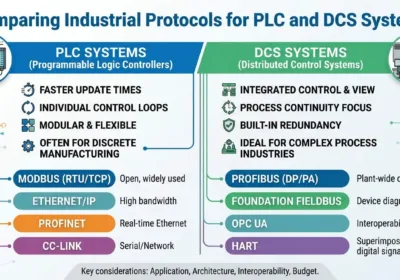
- PLC and DCS systems often have vulnerable communication protocols
- Cybersecurity talent shortage affects response capabilities
PLCDCSHUB Perspective: Security Priorities
From our experience at PLCDCSHUB, manufacturers often underestimate OT risks. Many focus on IT security while neglecting control systems. This approach leaves critical operations vulnerable.
We recommend starting with comprehensive asset inventory. Identify all PLCs, DCS, and SCADA systems. Then prioritize protection based on operational criticality. Regular security assessments are essential for maintenance.
Proactive Cybersecurity Defense Strategies
Manufacturers should implement these essential practices:
- Conduct regular vulnerability assessments for control systems
- Implement network segmentation between IT and OT environments
- Enforce privileged access management for automation networks
- Develop incident response plans specific to production systems
- Provide security training for operations and engineering staff
Industrial Control System Protection Measures
Factory automation requires specialized security approaches:
- Deploy industrial firewalls between production zones
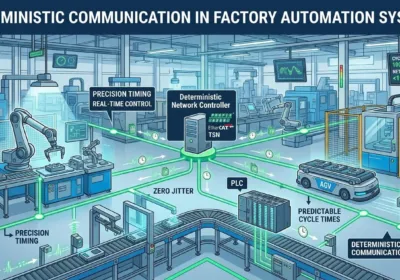
- Monitor network traffic for abnormal PLC communications
- Secure remote access to control systems with multi-factor authentication
- Maintain offline backups of control system configurations
- Implement change management for all automation modifications
Compliance Standards and Best Practices
Manufacturers should align with established frameworks. ISA/IEC 62443 provides comprehensive OT security guidance. NIST cybersecurity framework offers additional structure.
These standards help organizations implement consistent protections. They also demonstrate due diligence to insurers and partners. Compliance increasingly affects cyber insurance eligibility.
Tabletop Exercise Implementation
Regular simulation exercises build response capabilities. These drills clarify roles during real incidents. They also identify process gaps before emergencies occur.
Effective exercises involve both IT and OT teams. Cross-functional participation ensures coordinated response. ICS4ICS resources provide valuable exercise templates.
Practical Implementation Scenario
Consider an automotive manufacturer securing their production line:
- Segment PLC networks from corporate IT systems
- Monitor Modbus and Ethernet/IP communications for anomalies
- Secure HMI access with strong authentication requirements
- Train maintenance staff on social engineering recognition
- Test recovery procedures for critical DCS systems
Future Trends in Industrial Cybersecurity
Artificial intelligence will transform threat detection in factories. Machine learning can identify abnormal machine behavior. Automated response systems will contain incidents faster.
Zero-trust architectures are gaining adoption in OT environments. Manufacturers must prepare for evolving regulatory requirements. Continuous security monitoring becomes standard practice.
Enhancing Your Security Posture
Understanding industrial automation security requires specialized knowledge. Visit PLCDCSHUB to access comprehensive resources on securing PLC, DCS, and control systems. Our technical documentation helps manufacturers implement effective protections.
Frequently Asked Questions
Why are manufacturing facilities targeted by cyberattacks?
Manufacturers face high pressure to maintain production. Attackers know downtime causes massive financial losses. This makes ransomware attacks particularly effective against factories.
How can legacy control systems be secured?
Implement network segmentation and monitoring. Use industrial firewalls to protect vulnerable devices. Develop compensating controls for systems that cannot be patched.
What is the first step in improving OT security?
Begin with complete asset inventory and risk assessment. Identify critical control systems and their vulnerabilities. Then prioritize protection based on operational impact.
Related Posts