Micro Data Centers Transform Industrial Automation Manufacturing
Why Micro Data Centers Are the Unsung Heroes of Smart Manufacturing
How Micro Data Centers Revolutionize Industrial Automation and Smart Manufacturing
The Data Challenge in Modern Manufacturing
Modern automotive plants generate enormous data volumes. Production lines now use advanced sensors and robotics. These systems create up to 5 petabytes weekly. Real-time processing demands immediate data access. Traditional cloud computing cannot meet these needs. Therefore, manufacturers seek localized solutions.
Micro Data Centers Solve Latency Issues
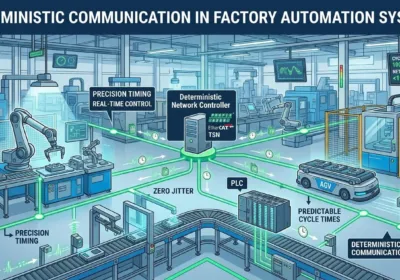
Industrial automation requires instant data processing. Robotics and quality control need millisecond responses. Remote data centers cause unacceptable delays. Micro data centers provide local computing power. They process data directly on the factory floor. This eliminates latency problems completely.
Key Benefits for Factory Automation
Micro data centers offer multiple advantages for manufacturers:
- Ultra-low latency for real-time control systems
- Compact design for space-constrained environments
- Enhanced cybersecurity for production data
- Redundant power and cooling systems
- Scalable architecture for future expansion
IT/OT Convergence in Industrial Settings
Manufacturing faces IT and OT integration challenges. Information technology manages business systems. Operational technology controls production equipment. Micro data centers bridge this critical gap. They enable seamless data exchange between systems. This convergence improves overall efficiency.
Real-World Applications and Case Studies
Major automakers already use this technology. One company reduced downtime by 45%. Another achieved 99.9% production reliability. These results demonstrate clear business value. According to MarketsandMarkets, the edge computing market will reach $53.7 billion by 2027.
Supporting Next-Generation Manufacturing
Electric vehicle production demands advanced computing. Battery manufacturing requires precise monitoring. Autonomous systems need instant decision-making. Micro data centers enable these technologies. They provide the necessary computational power. Manufacturing innovation depends on this infrastructure.
Cybersecurity and Reliability Considerations
Industrial networks face increasing threats. Micro data centers include security features. They offer physical access controls and encryption. Network segmentation protects critical systems. These measures prevent unauthorized access. Production data remains secure and protected.
Expert Analysis from PLCDCSHUB
Micro data centers represent a fundamental shift. They bring enterprise-level computing to factories. This technology supports PLC and DCS systems effectively. Manufacturers should consider several implementation factors. Site conditions and network architecture matter greatly. Proper planning ensures successful deployment.
Implementation Strategy for Manufacturers
Companies should follow these steps for success:
- Conduct comprehensive site assessment
- Define specific latency requirements
- Choose appropriate scalability options
- Implement phased deployment approach
- Establish maintenance protocols
Future Trends in Industrial Computing
Edge computing will continue evolving. 5G networks will enhance connectivity. Artificial intelligence will optimize operations. These technologies will transform manufacturing. Companies investing now will gain competitive advantage. The future factory will be fully digitalized.
Frequently Asked Questions
How do micro data centers differ from traditional servers?
Micro data centers are self-contained units. They include power, cooling and security features. Traditional servers lack this integrated design.
What is the typical deployment timeline?
Most installations complete within 4-8 weeks. This includes planning, installation and testing phases.
Can existing factories retrofit this technology?
Yes, retrofitting is possible and common. Space assessment determines specific requirements.
Discover how micro data centers can transform your manufacturing operations. Visit PLCDCSHUB for industrial automation solutions and expert guidance.
Related Posts