
Modular Control Systems Extend Automation Lifecycles | Guide PLC
Modular Architecture Revolutionizes Industrial Automation Lifecycle Management
Industrial automation systems face constant obsolescence challenges. However, modular control architectures transform risky hardware replacements into predictable maintenance tasks. This approach significantly extends system lifespans while protecting uptime.
The Growing Challenge of Control System Obsolescence
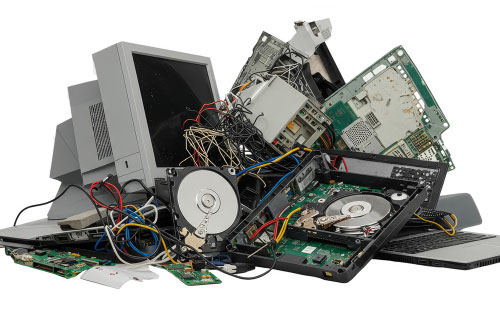
Automation controllers form the backbone of modern manufacturing. They integrate process control, operator interfaces and safety systems. When hardware reaches end-of-life, entire production lines risk shutdown. Traditional replacements often require complete system revalidation. This process carries substantial costs and operational risks.
Modular Architecture as Strategic Solution
Modular design separates computing functions from I/O connections. Computer-on-module components handle processing tasks. Carrier boards manage field wiring and I/O connections. This separation enables targeted upgrades without system-wide disruptions. Manufacturers maintain operational continuity during controller refreshes.
Proactive Lifecycle Forecasting Strategies
Effective asset management requires forward-looking planning. Lifecycle forecasting maps component expected lifespans. It tracks CPU availability, firmware support windows and operating system roadmaps. Engineering and procurement teams collaborate on inventory planning. This proactive approach eliminates emergency replacement scenarios.
Intelligent Obsolescence Mitigation Techniques
Modular systems follow open standards like COM Express and COM-HPC. These standards ensure backward compatibility across generations. When compute modules become obsolete, manufacturers swap only the processing component. Field wiring and I/O connections remain completely untouched. This strategy preserves prior validation and certifications.
Practical Implementation Roadmap
Successful modular adoption requires systematic planning. First, catalog all existing compute and I/O components. Then implement two-board computing architecture. Next, verify lifecycle compatibility for new components. Pilot programs validate the approach before plant-wide deployment. Finally, schedule upgrades during planned maintenance windows.
Industry Context and Economic Impact
The global industrial automation market will reach $306.2 billion by 2027 according to MarketsandMarkets. Unplanned downtime costs manufacturers approximately $50 billion annually according to IEEE studies. From PLCDCSHUB’s perspective, modular architectures represent the future of sustainable automation. They balance technological advancement with operational stability.
Key Benefits for Control Systems
✅ Reduced Downtime: Target only obsolete components during upgrades
⚙️ Cost Optimization: Avoid complete system replacements and revalidation
🔧 Future-Proofing: Maintain compatibility with emerging technologies
📊 Risk Management: Transform emergencies into planned activities
Implementation Best Practices
Manufacturers should start with comprehensive system documentation. Maintain detailed records of all component versions and configurations. Establish cross-functional teams for lifecycle management. Regular review cycles ensure forecasting accuracy. Strategic inventory buffers prevent production disruptions.
Industrial automation professionals face constant technology refresh challenges. Discover comprehensive solutions for PLC, DCS and control system lifecycle management at PLCDCSHUB. Our platform provides expert resources for maintaining operational excellence through technology transitions.
Frequently Asked Questions
How does modular architecture reduce automation system costs?
It eliminates complete system replacements. Manufacturers upgrade only obsolete components while reusing field wiring and I/O connections.
What are the first steps in implementing lifecycle management?
Begin with complete component cataloging. Establish cross-functional teams. Develop forecasting processes based on manufacturer lifecycle data.
Can legacy systems benefit from modular approaches?
Yes, adapters and interface solutions enable gradual migration. This preserves existing investments while modernizing critical components.


