Parallel Pump System Optimization for Energy Efficiency
Energy Optimization for Parallel Variable Speed Pump Systems
Optimizing Parallel Pump Systems for Maximum Energy Efficiency
Industrial facilities can achieve significant energy savings through optimized pump control strategies. This analysis explores parallel variable speed pump optimization using solar thermal plant case studies. Proper pump selection and control directly impact overall plant efficiency and operating costs.
The Business Case for Parallel Pump Systems
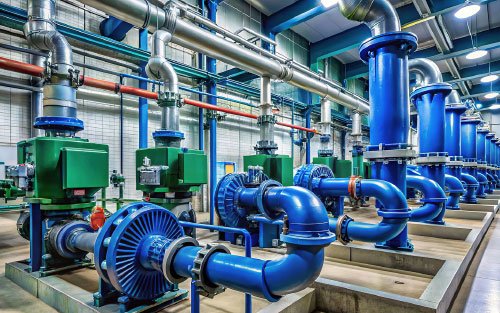
Using multiple smaller pumps instead of one large unit offers substantial benefits. This approach increases system reliability and reduces maintenance costs. Moreover, it enables the use of standard, cost-effective components. Facilities can maintain spare pumps for quick replacement during maintenance. This strategy also provides operational flexibility across varying demand conditions.
Solar Thermal Plant Application Overview
The Plataforma Solar de Almeria research facility demonstrates practical implementation. Their parabolic trough collector system heats thermal oil to 400°C. This generates steam for power generation through turbo generators. Flow requirements change significantly throughout the day. System head requirements vary by approximately 9:1 ratios. These conditions create ideal optimization opportunities.
Variable Speed Drives Versus Throttling Valves
Variable speed drives provide substantial energy advantages over throttling. Throttling valves create artificial pressure drops that waste energy. Conversely, variable speed drives adjust pump motor speeds directly. This matches energy consumption to actual process requirements. One case study showed 90% power reduction using speed control.
Pump System Modeling and Efficiency Analysis
Accurate pump modeling forms the foundation for optimization. Power law models typically outperform simple quadratic approximations. These models must account for pump speed, flow rate, and head relationships. Proper efficiency calculations require precise manufacturer data. The models then determine optimal operating points.
Control Strategy Implementation
Model-based control systems continuously optimize pump operation. These systems use real-time process data for calibration. They determine required flow rates for each collection line. The control system maintains the most efficient line valve fully open. Other valves adjust to achieve temperature targets. This minimizes overall system pressure drops.
Optimization Methodology and Results
The optimization process evaluates multiple pump operating scenarios. It calculates the ideal number of active pumps for current conditions. Each pump operates near its best efficiency point. Results show power savings exceeding 3.4% during normal operation. This approach also reduces mechanical wear and maintenance requirements.
PLCDCSHUB Practical Implementation Insights
From PLCDCSHUB’s industrial automation experience, successful pump optimization requires integrated control systems. Modern PLC and DCS platforms provide the computational capability needed. ✅ Implementation should follow these key steps:
Conduct detailed system modeling and simulation
Install accurate flow, pressure, and temperature instrumentation
Implement advanced control algorithms in the automation platform
Establish continuous monitoring and optimization routines
For comprehensive guidance on industrial automation solutions, visit PLCDCSHUB for expert resources and technical support.
Industry Applications Beyond Solar Power
These optimization principles apply across multiple industries. Water distribution systems benefit from similar approaches. HVAC systems in large buildings can achieve comparable savings. Industrial exhaust fan systems also show significant improvement. Any application with varying flow requirements presents optimization opportunities.
Frequently Asked Questions (FAQ)
What are the main benefits of parallel pump systems?
Parallel systems provide better reliability, reduced maintenance costs, and operational flexibility across varying demand conditions.
How much energy savings can variable speed drives achieve?
Case studies demonstrate up to 90% power reduction compared to throttling valve control methods in appropriate applications.
What control systems are needed for pump optimization?
Modern PLC and DCS platforms with advanced control algorithms can effectively implement these optimization strategies.