





Description
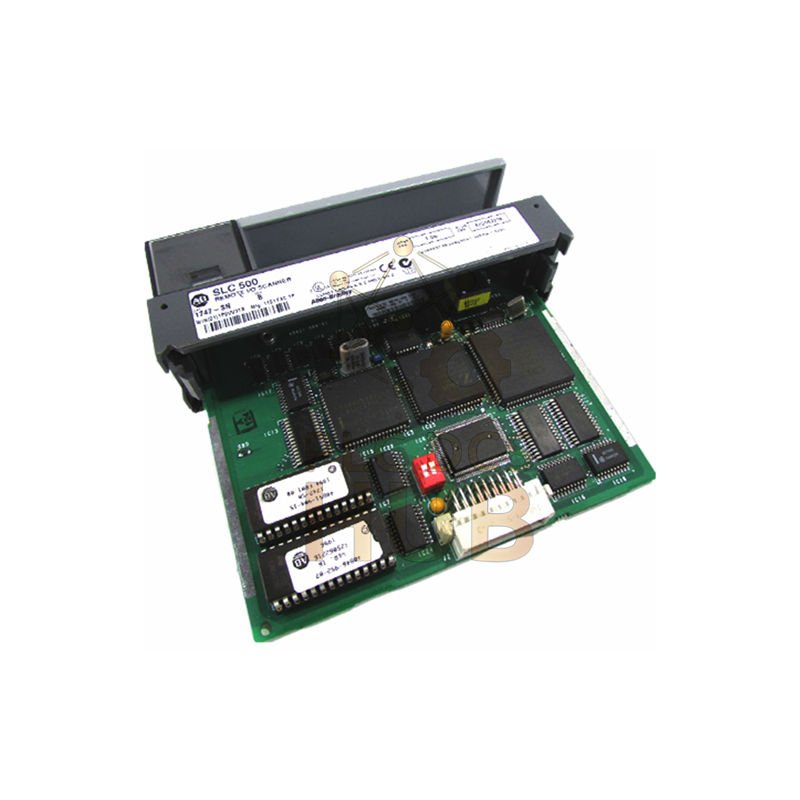
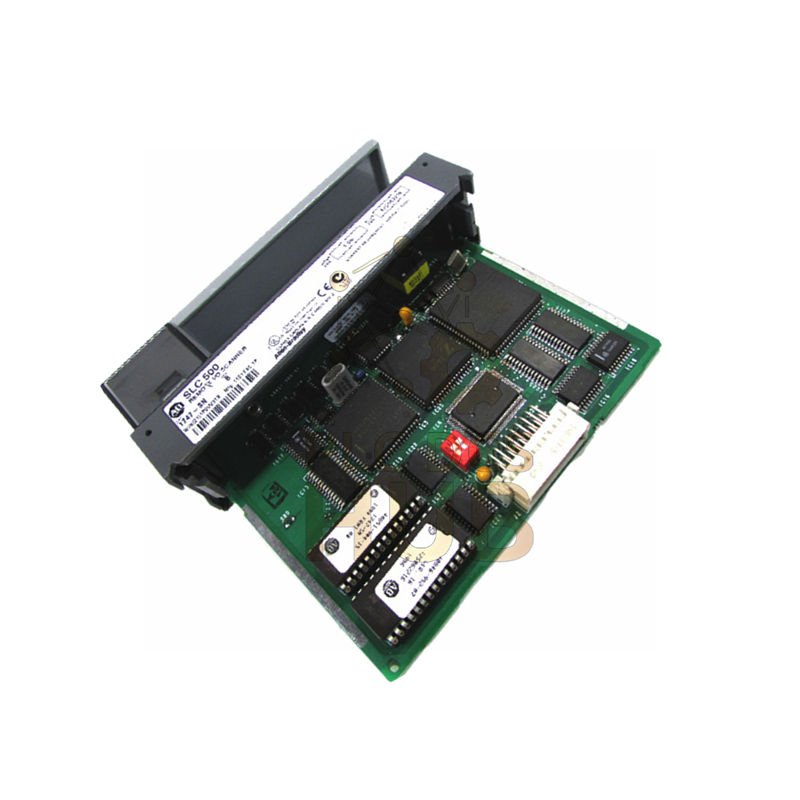
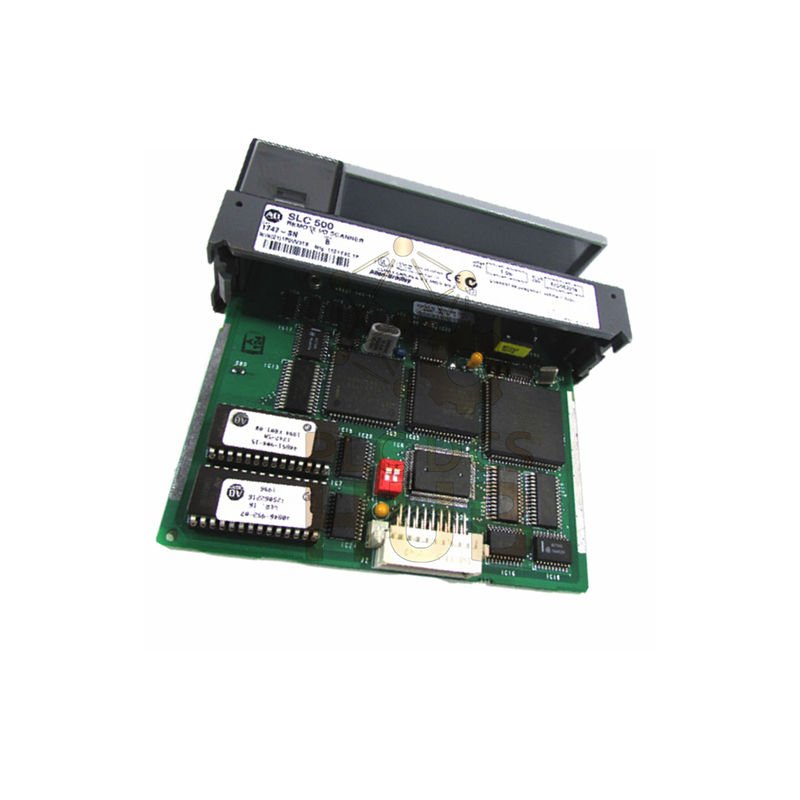
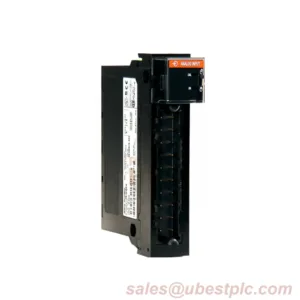
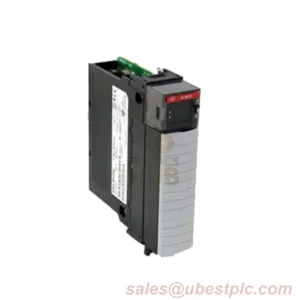
Allen-Bradley 1747-SN SLC 500 Remote I/O Scanner Module
The Allen-Bradley 1747-SN enables high-speed remote I/O communication for SLC 500 automation systems. This robust scanner module extends control capabilities across distributed industrial environments. Access our detailed technical guide to explore implementation strategies and full specifications.
Download Complete Installation and Specification Guide
Technical Specifications
- Brand & Manufacturer: Allen-Bradley / Rockwell Automation
- Model Number: 1747-SN
- Product Series: SLC 500 Remote I/O Scanner
- Communication Protocol: Remote I/O (RIO)
- Data Transfer Rates: 57.6 Kbaud (10,000 ft) to 230.4 Kbaud (2,500 ft)
- Maximum Cable Distance: 3048 meters (10,000 feet)
- Recommended Cable: Belden 9463 twisted pair
- Network Topology: Daisy-chain with 82-Ohm termination
- Backplane Current: 600mA @ 5V DC, 90mA @ 24V DC
- Connection Ports: One (1) 3-pin RIO communication terminal
Environmental Ratings & Certifications
- Operating Temperature: 0 to 60°C (32 to 140°F)
- Storage Temperature: -40 to 85°C (-40 to 185°F)
- Relative Humidity: 5% to 95% (non-condensing)
- Weight: 1 pound (0.45 kilograms)
- Agency Certifications: UL, C-UL, CE, C-Tick marked
- Hazardous Location Rating: Class I, Division 2, Groups A,B,C,D
Professional Frequently Asked Questions
- Q: What is the maximum number of devices I can connect to the 1747-SN scanner?
A: You can connect up to 16 devices in normal mode and 32 devices when using complementary mode. - Q: What type of communication cable should I use with this RIO scanner?
A: Allen-Bradley recommends Belden 9463 twisted pair cable for optimal performance. - Q: Can the 1747-SN communicate with non-Allen-Bradley devices?
A: Yes, it can interface with third-party devices that support the Remote I/O protocol. - Q: How do I configure the communication baud rate on this module?
A: Use DIP switches 1 and 2 located on the module to select between four available baud rates. - Q: What termination resistance is required for the RIO network?
A: You need 82-Ohm, 1/2 Watt terminating resistors at both ends of the daisy-chain network.
© 2025 PLCDCS HUB Limited. All rights reserved.
Original Source: https://plcdcshub.com/
Contact: +86 158 8020 0923


0.0 Average Rating Rated (0 Reviews)