
Professional Service Robots: Market Analysis & Implementation
Service Robot Market Expands: Key Trends Driving Professional Automation
The global service robotics market achieved significant growth in 2024. Professional service robot sales reached nearly 200,000 units according to IFR data. This represents a 9% increase year-over-year. Labor shortages and demographic changes are primary growth drivers. Companies are increasingly adopting automation solutions to maintain operational efficiency.
Market Overview: Service Robot Adoption Accelerates
Service robotics continues transforming multiple industries worldwide. The International Federation of Robotics reports consistent market expansion. Robot-as-a-Service (RaaS) models are growing particularly fast. This subscription approach increased by 31% in 2024. It allows businesses to implement automation without major capital investment.
Transportation and Logistics Dominate Sales
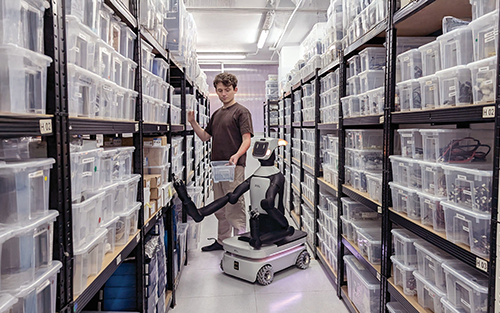
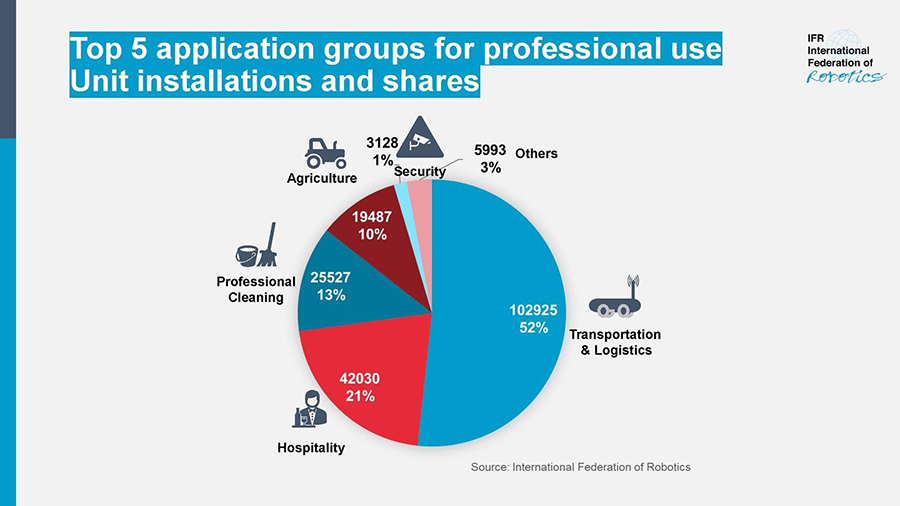
Transportation robots lead the professional service robot market. Sales reached 102,900 units in 2024. This represents 14% growth over previous year. Mobile robots for goods transport drive this segment. Indoor facility applications show strongest demand. RaaS models in logistics grew 42% as companies seek flexible automation solutions.
Hospitality Robotics Adapt to New Applications
Hospitality robots maintain second position despite market adjustments. Sales exceeded 42,000 units in 2024. Mobile guidance and information robots serve public spaces. Telepresence robots enable remote interaction. New applications are emerging in food preparation. Service robots now handle customer service and promotional tasks.
Professional Cleaning Robots Show Strong Growth
Cleaning robotics demonstrated impressive 34% expansion. Sales surpassed 25,000 units in the professional segment. Floor cleaning automation represents the primary application. Companies are deploying cleaning robots to address labor challenges. These systems operate in commercial and industrial facilities worldwide.
Agricultural Robotics Experience Market Adjustment
Agricultural robot sales reached approximately 19,500 units. This represents a 6% decrease from previous year. Cultivation and milking robotics drove the contraction. However, the agricultural automation sector remains strategically important. Long-term growth prospects remain strong despite short-term adjustment.
Security and Rescue Robots Gain Traction
Search, rescue and security robotics achieved 19% growth. Sales totaled 3,100 units during the reporting period. Security services account for 75% of this category. These robots enhance safety and monitoring capabilities. They operate in both public and private security applications.
Medical Robotics Demonstrate Explosive Growth
Medical robots represent a distinct category with exceptional performance. Sales increased 91% to approximately 16,700 units. Rehabilitation and therapy robots grew 106%. Surgical robotics expanded by 41%. Diagnostic and laboratory automation surged 610%. Medical laboratories are automating to address staffing shortages.
Consumer Service Robotics Maintain Steady Expansion
Consumer service robots sold nearly 20 million units in 2024. This represents 11% year-over-year growth. Domestic task robots dominate this category. Floor cleaning and lawn mowing are primary applications. European and Asian manufacturers drove most growth. These regions achieved 16% expansion rates.
Integration with Industrial Automation Systems
Service robots increasingly integrate with factory automation infrastructure. They connect with PLC and DCS control systems. This enables coordinated operation with industrial equipment. Modern service robots use standard industrial communication protocols. Integration allows seamless data exchange with manufacturing execution systems.
Implementation Considerations for Businesses
Companies should evaluate several factors when implementing service robots. These considerations ensure successful automation integration:
- Assess specific operational challenges and automation opportunities
- Evaluate Robot-as-a-Service versus capital purchase options
- Plan integration with existing control systems and workflows
- Consider staff training requirements and change management
- Analyze total cost of ownership and expected return on investment
Future Outlook and Market Projections
The service robotics market shows strong continued growth potential. Labor shortages will continue driving automation adoption. Aging populations increase demand for medical and assistive robots. Technological advancements will expand application possibilities. According to PLCDCSHUB analysis, service robotics will become increasingly integrated with industrial IoT ecosystems.
Conclusion: Strategic Automation Implementation
Service robotics offer compelling solutions for modern business challenges. The market demonstrates robust growth across multiple segments. Companies can choose between purchase and subscription models. Proper integration with control systems ensures optimal performance. Service robots represent a strategic investment for maintaining competitive advantage.
For guidance on integrating service robotics with your automation systems, contact the experts at PLCDCSHUB. Our team can help you navigate implementation challenges and maximize ROI.
Frequently Asked Questions
What is the difference between service robots and industrial robots?
Service robots perform useful tasks for humans and equipment. They typically operate in commercial or professional environments. Industrial robots primarily handle manufacturing processes in controlled factory settings.
How do Robot-as-a-Service models benefit small and medium businesses?
RaaS eliminates large upfront capital investment. It provides predictable operating expenses. Businesses gain access to latest technology without ownership risk. Service providers handle maintenance and updates.
Can service robots integrate with existing PLC and SCADA systems?
Yes, most professional service robots support industrial communication protocols. They can exchange data with PLC, DCS and SCADA systems. This enables coordinated operation within automated facilities.


