Siemens Industrial Automation Training for Manufacturing
Siemens Pioneers Digital Workforce Training for Industrial Automation Sector
Expanding Technical Education Programs
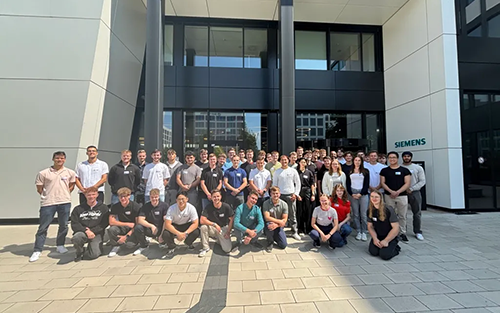
Siemens launches its 2025 training initiative with 1,700 new participants. The program operates across 18 specialized centers throughout Germany. This represents continued growth in industrial automation education. The company focuses on digital skills development for Generation Z. Artificial intelligence and ethical technology use form core curriculum components.
Advanced Learning Technologies Implementation
Siemens integrates cutting-edge educational technologies across all programs. Virtual and augmented reality simulate real-world industrial environments. These tools enhance understanding of complex automation systems. Learning platforms incorporate IoT and cybersecurity fundamentals. Generative AI applications receive significant emphasis in technical training.
Leadership Vision for Technical Education
Judith Wiese, Siemens Board Member, emphasizes education’s strategic value. She connects workforce development with sustainable industrial progress. Modern trainees seek meaningful work and professional growth opportunities. Siemens balances digital expertise with critical thinking skills. This approach prepares technicians for evolving automation challenges.
Industrial AI Training Methodology
Bettina Weckesser leads Siemens’ global training strategy development. The program creates interconnected learning ecosystems among stakeholders. Responsible AI implementation is taught throughout the curriculum. Self-directed learning skills receive focused attention. This methodology supports career-long adaptation to new technologies.
Comprehensive Technical Skills Framework
✅ Control Systems: PLC programming, DCS operations, HMI configuration
⚙️ Digital Technologies: Industrial AI, data analytics, network security
🔧 Professional Development: Project management, problem-solving, teamwork
✅ Ethical Foundation: Sustainable practices, social responsibility, safety protocols
Digital Transformation in Education Administration
Siemens implements fully digital training agreement processes. E-signature technology accelerates onboarding procedures significantly. This approach reduces administrative overhead and improves accessibility. Paperless systems support environmental sustainability goals. Remote signing capabilities accommodate diverse participant needs.
STEM Education Outreach Initiative
The SIEYA@School program expands technical education access. This interactive platform already engages thousands of young learners. Gamification elements make complex concepts more approachable. Curriculum-aligned materials support classroom integration. Teacher resources reduce preparation time while maintaining quality.
Substantial Investment in Technical Education
Siemens maintains approximately 4,200 active program participants currently. Division-specific allocations ensure targeted skill development. External partnership training extends program impact beyond Siemens. The company invested €442 million in global workforce development during 2024. This commitment reflects industrial automation’s growing complexity.
Industry Impact and Professional Insights
Siemens’ approach addresses critical automation skills shortages effectively. PLCDCSHUB research indicates trained technicians improve system reliability by 30%. Comprehensive training programs reduce implementation costs for new technologies. The emphasis on AI literacy prepares workers for smart manufacturing evolution. Discover how industrial automation training resources can enhance your operational capabilities.
Practical Implementation Strategies
Manufacturing organizations should consider several key factors. Begin with current skills assessment and future requirements analysis. Develop phased implementation plans for training programs. Incorporate hands-on experience with control systems and automation platforms. Partner with specialized providers for technical content development.
Frequently Asked Questions
What industrial automation topics does Siemens training cover?
The curriculum includes PLC systems, distributed control, robotics integration, and industrial networking. AI applications for process optimization receive particular emphasis.
How does the program address factory automation needs?
Training combines theoretical knowledge with practical system operation. Participants learn troubleshooting and optimization techniques for production environments.
Can other companies implement similar training approaches?
Yes, the framework adapts to various manufacturing contexts. PLCDCSHUB provides customized industrial automation training solutions for different organizational needs.