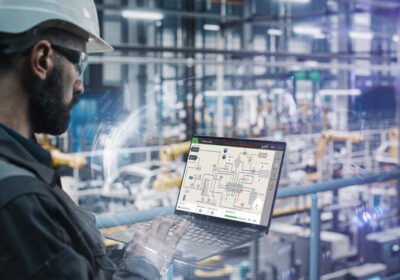
Software-Defined Automation Cuts Commissioning Time by 50%
Software-Defined Automation Cuts Commissioning Time by 50% for Solar Innovation
Schneider Electric’s EcoStruxure Automation Expert delivers transformative results for renewable energy applications. The platform enables faster deployment and greater flexibility for industrial automation systems. This case study demonstrates real-world benefits for solar technology innovation.
Transforming Solar Roof Automation with Open Architecture
dhp Technology AG partnered with Schneider Electric and system integrator Baffy AG. Together they implemented EcoStruxure Automation Expert for HORIZON solar roof systems. This collaboration addressed critical challenges in renewable energy automation. The solution provides intelligent control for retractable solar roofs across multiple applications.
Market Growth Demands Efficient Automation Solutions
The retractable roofs and skylights market shows significant expansion potential. Industry analysts project market value reaching $1.3 billion by 2033. This growth creates pressure for faster time-to-market and scalable solutions. dhp Technology needed automation that could support rapid business expansion.
Key Benefits of Software-Defined Industrial Automation
EcoStruxure Automation Expert delivers substantial operational improvements. The platform’s open architecture provides multiple advantages:
- 50% Faster Commissioning: Reduced installation and setup time significantly
- Vendor Independence: Avoids hardware lock-in and increases flexibility
- Simplified Maintenance: Plug-and-play components enable easy replacements
- Weather Resilience: Automated response to extreme conditions like hail and snow
- Scalable Architecture: Supports growth across diverse application scenarios
Real-World Performance in Renewable Energy Applications
dhp’s solar roofs now serve water treatment plants, logistics hubs, and car parks. The modular design adapts to increasing energy demands efficiently. More importantly, the system automatically responds to weather threats. This ensures long-term reliability and protects infrastructure investments.
Executive Insights: Measurable Business Impact
Gian Andri Diem, CEO of dhp Technology, confirms the transformation. “We cut commissioning times by 50% and streamlined system complexity dramatically. Our technicians now manage solar roof systems independently. This delivers superior value to our clients while supporting CO₂ neutrality goals.”
System Integrator Perspective: Unmatched Adaptability
Martin Baffy of Baffy AG highlights practical advantages. “EcoStruxure Automation Expert delivers unmatched adaptability compared to traditional PLC systems. When controller memory issues arose, plug-and-play technology enabled effortless swaps. This adaptability is essential for maintaining manufacturer independence.”
Technical Architecture: Integrated Control Solution
The automation solution combines multiple Schneider Electric components. Harmony P6 industrial PC provides computing power. Modicon M262 dPAC delivers reliable control execution. Advanced weather station plugins enable intelligent environmental response. This integrated approach ensures comprehensive system management.
PLCDCSHUB Analysis: The Shift to Software-Defined Automation
This case exemplifies the industrial automation industry’s evolution. Traditional PLC and DCS systems face challenges with vendor lock-in and inflexibility. Software-defined automation represents the next generation of control systems. According to industry data, the industrial automation market will exceed $300 billion by 2027. Open architectures like EcoStruxure Automation Expert capture growing market share. They address critical needs for adaptability and faster deployment in competitive markets.
Implementation Framework for Similar Projects
Companies considering similar automation upgrades should evaluate these factors:
- Assess Vendor Lock-in Risks: Evaluate current system dependencies and migration paths
- Define Scalability Requirements: Plan for future expansion and application diversity
- Evaluate Integration Needs: Consider existing equipment and communication protocols
- Calculate Total Cost of Ownership: Include commissioning, maintenance, and upgrade costs
- Plan Technical Training: Ensure staff can leverage new system capabilities effectively
Understanding automation architecture options is crucial for industrial projects. Explore comprehensive resources on control systems and implementation strategies through PLCDCSHUB’s industrial automation platform.
Frequently Asked Questions (FAQ)
How does software-defined automation differ from traditional PLC systems?
Software-defined automation decouples control software from hardware, enabling greater flexibility, vendor independence, and easier upgrades compared to traditional integrated PLC systems.
What types of industrial applications benefit most from open automation?
Renewable energy systems, modular manufacturing, and applications requiring frequent updates or multi-vendor integration benefit significantly from open automation architectures.
Can existing industrial systems migrate to software-defined automation?
Yes, most existing systems can transition through phased implementation approaches, though careful planning and partner selection are essential for success.