
Sustainable Industrial Automation with Bio-Based Components
Sustainable Industrial Automation: Siemens and Envalior Pioneer Bio-Based Electrical Components
Innovative Bio-Based Materials in Electrical Engineering
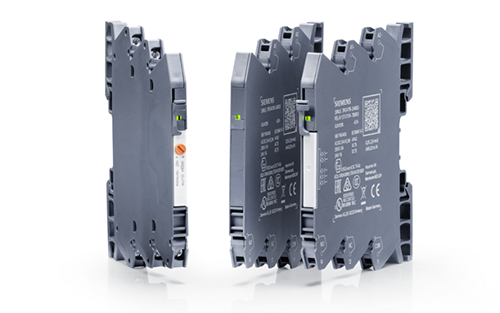
Siemens Smart Infrastructure introduces revolutionary coupling relays. These feature housings with 70% bio-based plastic content. The material originates from used cooking oil biomass. Envalior developed this sustainable engineering plastic. This collaboration marks significant progress in green manufacturing. Therefore, industrial automation becomes more environmentally responsible.
Technical Specifications and Product Variants
The SIRIUS 3RQ4 series offers three distinct relay types. Each variant serves specific industrial automation requirements:
- Integral relay output for harsh environments and safety applications
- Plug-in coupling relays for quick replacement during operation
- Semiconductor output for frequent, soundless switching operations
Enhanced Performance and Safety Features
These relays demonstrate exceptional technical capabilities. They carry ATEX certification for explosive atmospheres. Gold-plated contacts ensure reliable low-current switching. Semiconductor variants achieve 6A switching capacity. Moreover, they reduce energy losses by 33%. According to IEC 61131 standards, these relays exceed industrial requirements.
Sustainability and Environmental Impact
The bio-based plastic utilizes waste cooking oil effectively. This approach avoids food chain competition completely. Envalior’s mass balance concept prevents material incineration. The relays meet Siemens EcoTech label criteria strictly. They eliminate problematic halogen and PFAS materials. Consequently, they support circular economy principles in factory automation.
Manufacturing and Supply Chain Advantages
Siemens produces these relays in Amberg, Germany. Automated manufacturing ensures consistent quality standards. Local production shortens European supply chains significantly. The packaging uses sustainable cardboard materials. Digital documentation reduces paper waste substantially. This comprehensive approach minimizes environmental footprint.
Industry Context and Market Trends
Sustainable industrial components gain increasing importance. According to MarketsandMarkets, the green technology market will reach $74 billion by 2030. Manufacturers face growing pressure for eco-friendly solutions. Siemens and Envalior lead this transformation effectively. Their partnership sets new industry benchmarks for sustainability.
Practical Application Scenarios
These relays suit various industrial automation applications:
- Hazardous area control systems requiring ATEX certification
- High-frequency switching applications in packaging machinery
- Railway control systems needing protective coated components
- Food processing plants requiring chemical resistance
Expert Analysis from PLCDCSHUB
Sustainable components represent the future of industrial automation. Siemens and Envalior demonstrate meaningful innovation. The bio-based approach addresses environmental concerns effectively. Based on PLCDCSHUB analysis, such technologies will become industry standards. For comprehensive industrial automation solutions, explore PLCDCSHUB’s product portfolio including sustainable components and control systems.
Frequently Asked Questions
How does bio-based plastic performance compare to conventional materials?
Bio-based plastics demonstrate equivalent or superior performance characteristics. They maintain high heat resistance and excellent chemical stability. UL94 V-0 rating at 0.4mm thickness confirms their reliability.
What are the maintenance considerations for these new relays?
Maintenance procedures remain similar to conventional relays. The semiconductor variant offers virtually infinite mechanical life. Gold-plated contacts reduce maintenance frequency for low-current applications.
How does the mass balance concept work for bio-based materials?
Mass balance tracks sustainable materials through complex production processes. It ensures bio-based content allocation to specific products. This approach maintains material traceability and certification.
Related Posts


