Top 5 PLC Maintenance Tips for Optimal Performance
Programmable Logic Controllers (PLCs) are the backbone of industrial automation, ensuring seamless operation of machinery and processes. Regular maintenance of PLCs is crucial to prevent unexpected downtimes, improve efficiency, and extend equipment lifespan. In this article, we will explore the top 5 PLC maintenance tips that will help you keep your automation systems running smoothly.
1. Keep PLC Components Clean and Dust-Free
Dirt, dust, and debris can accumulate on PLC components, leading to overheating and potential failures. To maintain optimal performance:
- Regularly clean the PLC cabinet and surrounding areas.
- Use compressed air to remove dust from vents and heat sinks.
- Ensure proper ventilation to prevent overheating.
2. Regularly Inspect and Tighten Connections
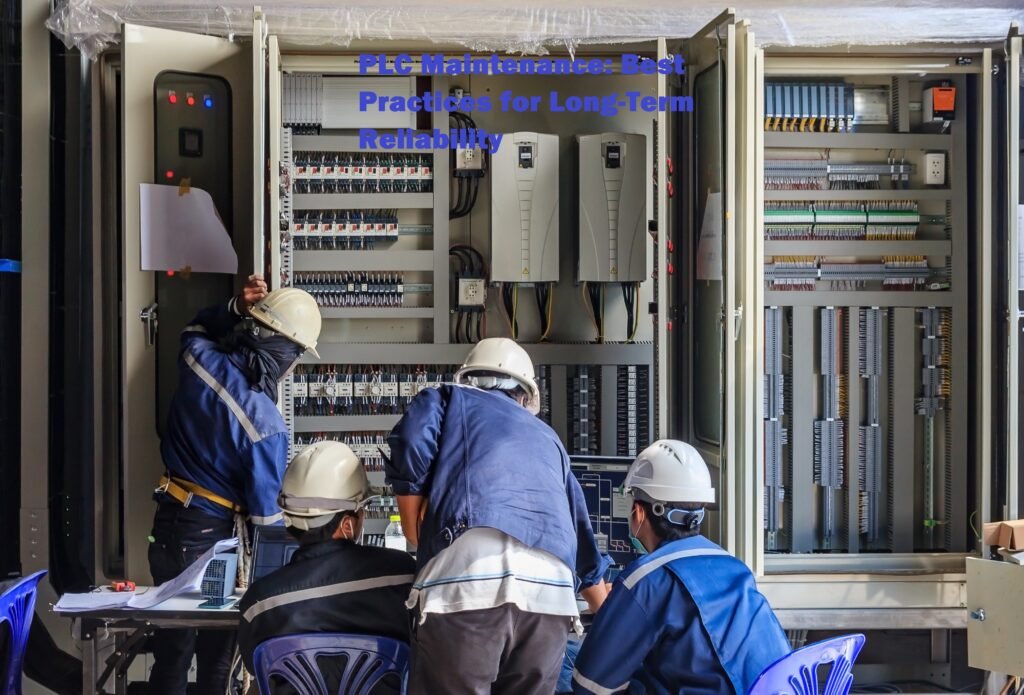
Loose connections can cause intermittent faults, voltage drops, and even system failures. To prevent this:
- Conduct periodic inspections of wiring and terminal connections.
- Tighten any loose connections using appropriate tools.
- Look for signs of wear or corrosion and replace damaged components.
3. Monitor Power Supply and Battery Health
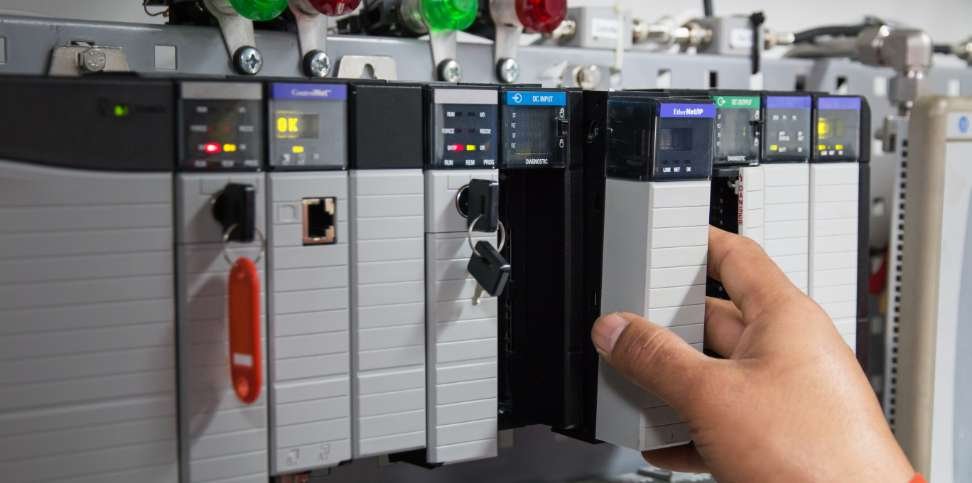
Power fluctuations and failing batteries can compromise PLC performance. To avoid power-related issues:
- Use an uninterruptible power supply (UPS) to protect against voltage spikes.
- Regularly check and replace PLC backup batteries as recommended by the manufacturer.
- Inspect power supply units for any signs of wear or malfunction.
4. Update Firmware and Backup PLC Programs
Outdated firmware can lead to vulnerabilities and system inefficiencies. To keep your PLC up to date:
- Regularly check for firmware updates from the manufacturer.
- Create routine backups of PLC programs to prevent data loss.
- Store backups securely and ensure quick access during emergencies.
5. Perform Routine Diagnostics and Testing
Proactive diagnostics can help identify potential issues before they lead to system failures. To ensure reliability:
- Utilize built-in diagnostic tools to monitor PLC health.
- Conduct periodic testing of I/O modules, communication networks, and sensors.
- Train personnel on troubleshooting techniques to quickly resolve minor issues.
Conclusion
Effective PLC maintenance is essential for ensuring continuous operation in industrial automation systems. By implementing these five key maintenance tips, you can minimize downtime, enhance efficiency, and extend the lifespan of your PLC equipment. Stay proactive and integrate these best practices into your maintenance routine to keep your automation systems running at peak performance.