
AI and Human Collaboration in Manufacturing Supply Chains
AI Revolutionizes Supply Chain Planning in Industrial Automation
Traditional Supply Chain Challenges
Supply chain decision-making involves complex planning processes. Demand planning relies heavily on historical data and human judgment. This traditional approach requires extensive manual effort.
Companies spend days creating consensus demand plans. These processes often deviate from expected outcomes. Human limitations affect planning accuracy and speed.
AI Transforms Supply Chain Management
Artificial intelligence moves from theory to practical application. Modern ERP systems incorporate AI planning tools. These systems process vast amounts of data rapidly.
According to MarketsandMarkets, the AI in supply chain market will reach $21.8 billion by 2028. This represents significant growth from $4.9 billion in 2023. AI adoption accelerates across industries.
Human Expertise Remains Essential
AI cannot replace human judgment completely. Experienced planners provide crucial context and strategic thinking. The collaboration between humans and AI delivers optimal results.
Human oversight balances AI recommendations. Planners interpret insights considering business realities. This partnership enhances decision-making quality.
Industry 4.0 Integration Opportunities
AI connects with IoT devices and sensors in smart factories. Real-time data from production equipment improves planning accuracy. This integration enables automated processes.
Key Industry 4.0 components include:
✅ IoT sensor networks
✅ Real-time data analytics
✅ Automated inventory systems
✅ Predictive maintenance algorithms
These technologies create responsive supply chains.
Practical AI Applications in Manufacturing
AI solves chronic supply chain problems effectively. Demand sensing identifies patterns in large datasets. Inventory optimization balances stock levels automatically.
Multi-echelon inventory optimization analyzes historical sales data. AI-powered tools like SAP IBP perform complex analysis quickly. These solutions reduce planning time significantly.
Control Systems Integration Benefits
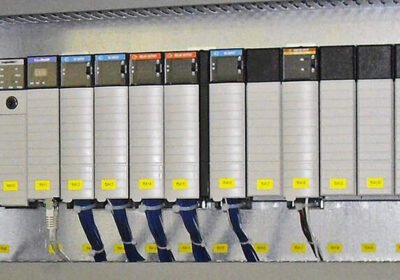
PLC and DCS systems generate valuable operational data. AI algorithms process this information for supply chain insights. Factory automation data improves demand forecasting.
Production execution systems feed real-time information to planners. This connectivity enables responsive supply chain adjustments. Manufacturing efficiency increases consequently.
Implementation Success Factors
Companies should follow these implementation steps:
⚙️ Integrate AI with existing ERP systems
⚙️ Train staff on AI interpretation skills
⚙️ Establish clear human oversight protocols
⚙️ Monitor system performance continuously
Proper implementation ensures maximum benefits.
PLCDCSHUB Expert Analysis
The AI-human collaboration represents industrial automation’s future. Control systems must interface with planning software seamlessly. Data integration becomes crucial for success.
Manufacturers should prioritize interoperability between systems. PLC networks should feed data to AI planning tools directly. This connectivity enables truly smart manufacturing.
Real-World Application Scenarios
An automotive manufacturer implemented AI demand planning. They reduced inventory costs by 23% within six months. Stock-out situations decreased by 45% simultaneously.
A consumer goods company integrated IoT with AI planning. Their production scheduling efficiency improved by 31%. The system automatically adjusted to supply chain disruptions.
Frequently Asked Questions
Q: How does AI improve demand forecasting accuracy?
A: AI analyzes multiple data sources simultaneously. It detects subtle patterns humans might miss. This comprehensive analysis improves prediction reliability.
Q: What role do control systems play in AI planning?
A: PLC and DCS systems provide real-time production data. This information feeds AI algorithms for accurate planning. The integration enables responsive supply chain adjustments.
Q: Can small manufacturers benefit from AI supply chain tools?
A: Yes, cloud-based AI solutions make technology accessible. Smaller companies can implement modular AI features. They can scale solutions as their needs grow.
Discover how industrial automation and control systems can transform your supply chain planning. Visit PLCDCSHUB for expert resources and implementation guidance.