




Description
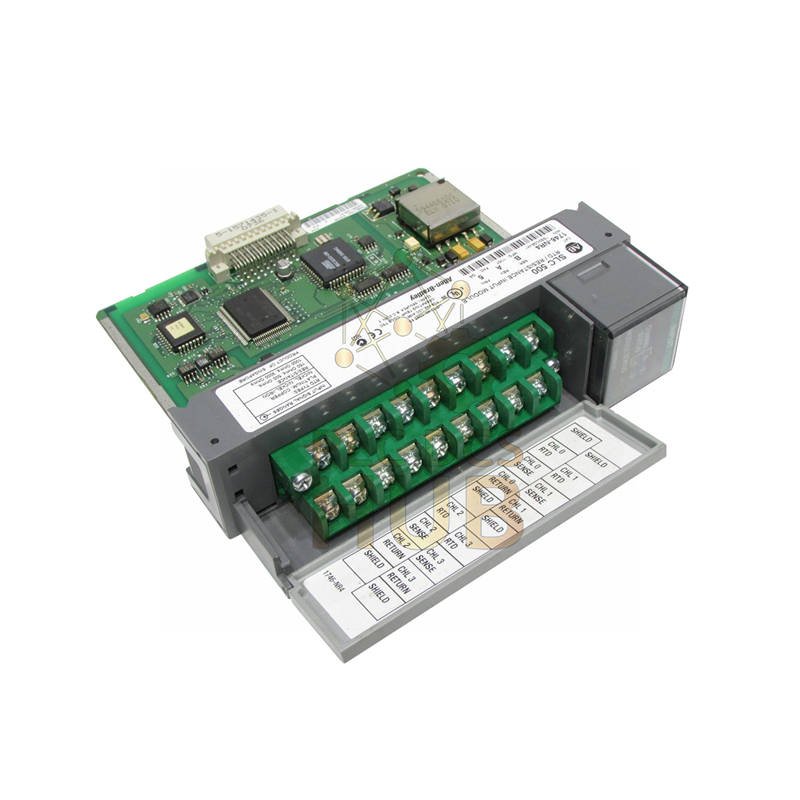
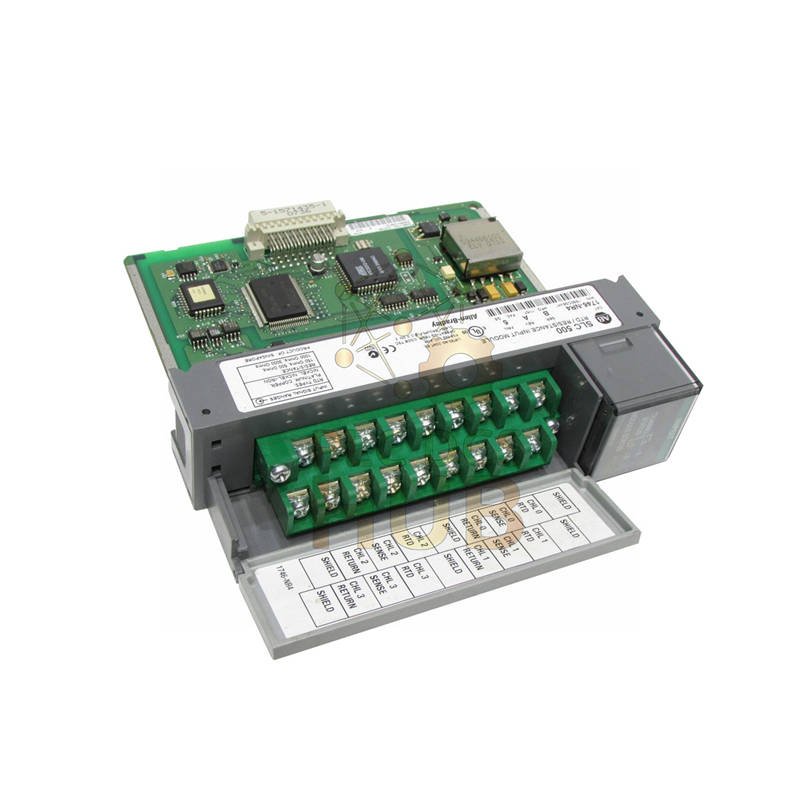
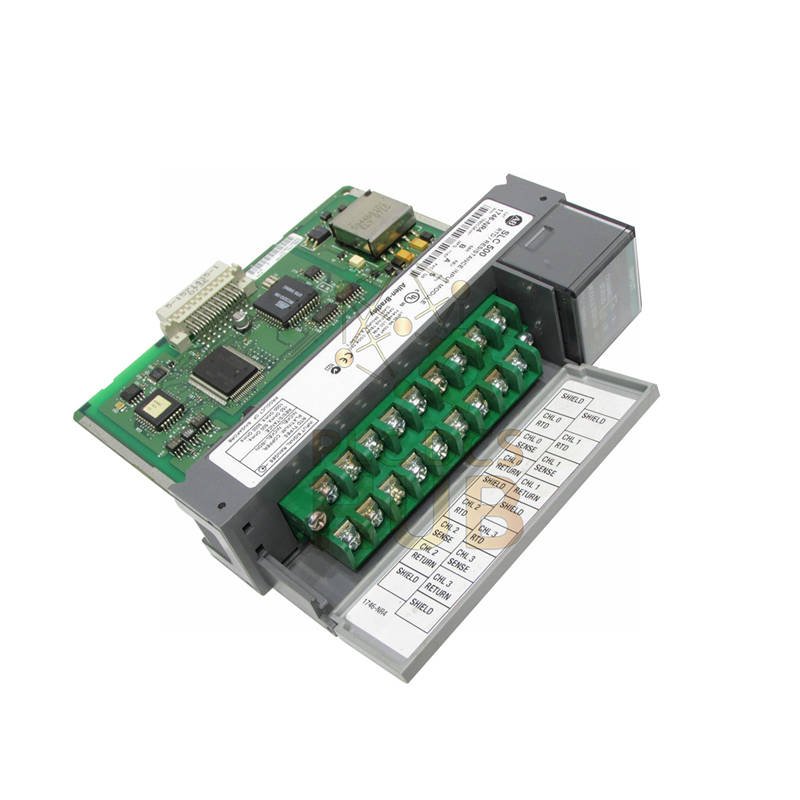
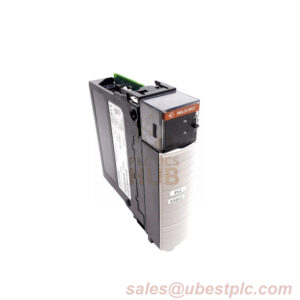
Allen-Bradley 1746-NR4: 4-Channel RTD/Resistance Input Module
Precise Temperature and Resistance Measurement
The Allen-Bradley 1746-NR4 connects RTD and resistance sensors to your SLC 500 system. It reads four temperature or resistance signals with high accuracy. This 1746-NR4 module supports many sensor types and direct resistance inputs. It fits in one slot and works with fixed or modular chassis.
Key Technical Specifications
Brand: Allen-Bradley
Model: 1746-NR4
Type: 4-Channel RTD/Resistance Input
RTD Types: Platinum (385/3916), Copper, Nickel, Nickel Iron
Resistance Ranges: 0-150Ω, 0-300Ω, 0-500Ω, 0-1000Ω
Temperature Range: -200°C to 850°C
Resolution: 0.01°C
Update Time: 17 ms to 1.2 s (per channel)
Filter Frequencies: Programmable low-pass digital filter
Accuracy: ±0.1% of reading
Isolation: 500V AC for 1 minute
Backplane Power: 5V DC, 50 mA / 24V DC, 50 mA
Max Power: 1.5 W
Operating Temp: 0 to 60°C (32 to 140°F)
Sensor Detection: Open and short circuit detection
Calibration: Automatic self-calibration
12 Month Warranty
We guarantee this 1746-NR4 module for one full year. It covers any material or workmanship defects. We provide quick repair or replacement service. We ship worldwide using FedEx, UPS, and DHL.
Download Installation Guide
- Learn wiring for all RTD and resistance types.
- Understand filter frequency selection for noise reduction.
- Get configuration steps for different sensor types.
- Find troubleshooting tips for sensor faults.
Download SLC 500 Hardware Manual Here
Important Technical Questions
- What RTD types does it support?
It supports Platinum (100-1000Ω), Copper (10Ω), Nickel (120Ω), and Nickel Iron (604Ω) sensors. - Can I measure direct resistance values?
Yes. It can directly read resistance values from 0-150Ω up to 0-1000Ω for non-temperature applications. - How does broken wire detection work?
It detects open circuits (broken wires) and short circuits. The module shows an out-of-range value when this happens. - What is the update time per channel?
Update time ranges from 17 milliseconds to 1.2 seconds depending on your filter setting for noise reduction. - Does it need manual calibration?
No. It performs automatic self-calibration whenever you change filter settings or enable a channel.



0.0 Average Rating Rated (0 Reviews)