


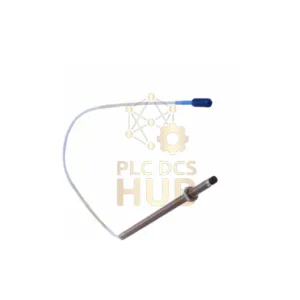


Description
MTL4755AC: 3-Wire RTD Interface for Hazardous Areas
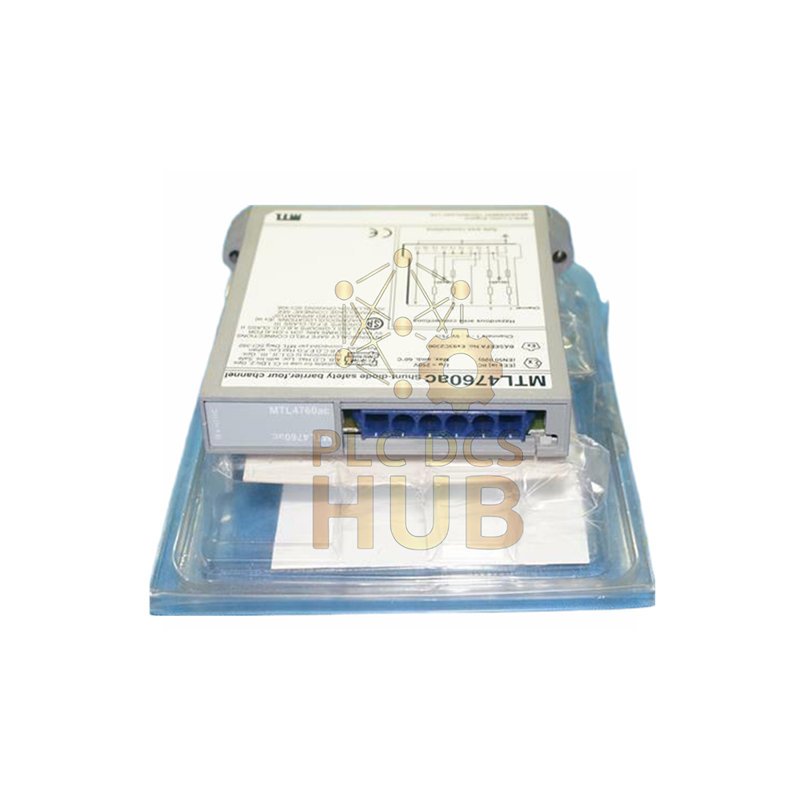
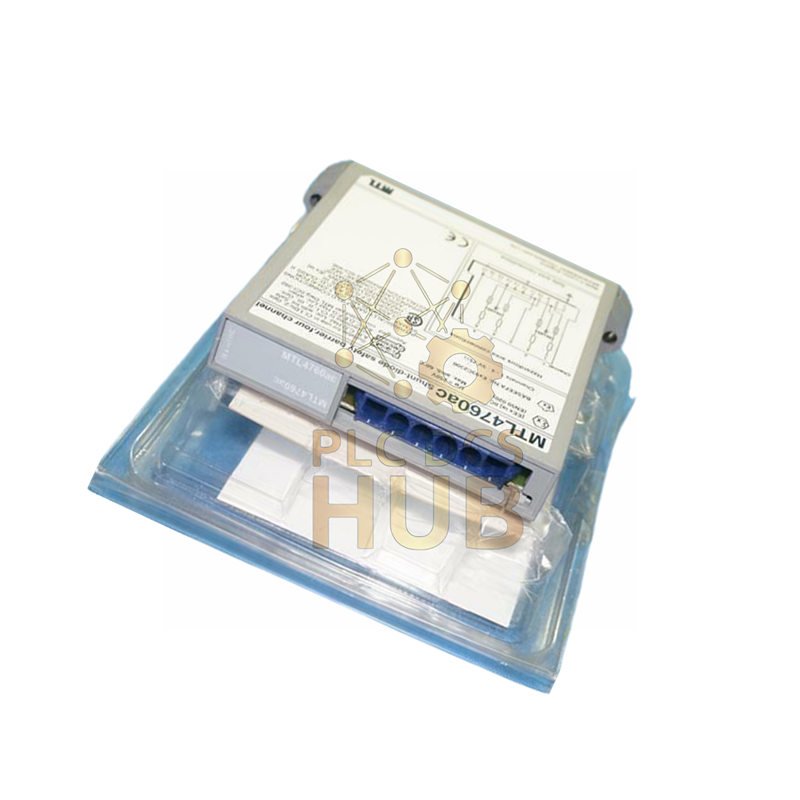
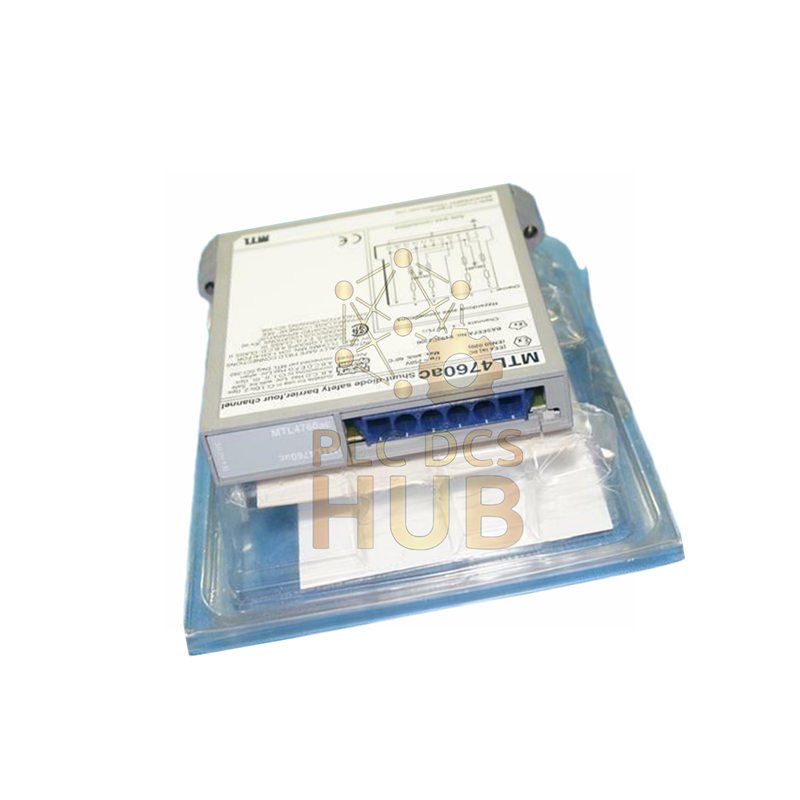
The MTL4755ac safely connects your 3-wire RTD temperature sensors from hazardous areas to your control system. This 3-channel barrier is designed for precision measurement with minimal signal error. It features excellent channel matching to reduce temperature drift and ensure accurate readings.
Technical Specifications
- Brand: MTL
- Model: MTL4755ac
- Channels: 3
- Sensor Type: 3-wire RTD
- Max Resistance: 18.5Ω per channel
- Channel Tracking: Within 0.15Ω (-20°C to +60°C)
- Safety Voltage: 3V
- Current Rating: 300mA
- Fuse Rating: 100mA
- Operating Temperature: -20°C to +60°C
- Power Requirement: Independent power input (not bussed)
Frequently Asked Questions
Q1: How many RTD sensors can one MTL4755ac support?
A1: One module supports a single 3-wire RTD sensor using all three channels.
Q2: Why is channel tracking important for RTDs?
A2: Close channel tracking ensures accurate temperature measurement by minimizing zero shift errors.
Q3: What types of RTD wiring does it support?
A3: It works with both earthed and floating bridge 3-wire RTD configurations.
Q4: Can I use this barrier with bussed power systems?
A4: No, the MTL4755ac requires independent power and is not designed for bussed power systems.
Q5: What is the maximum cable resistance allowed?
A5: The low end-to-end resistance of 18Ω helps minimize the impact of cable resistance on measurements.
Safety Certification
Approved for use in hazardous areas with safety parameters: 3V, 10Ω, 300mA.
Package Contents
One MTL4755ac 3-channel RTD interface barrier.
Warranty
This product comes with a 12-month warranty covering defects in materials and workmanship.
Shipping
We ship worldwide using FedEx, UPS, and DHL for fast and reliable delivery.

0.0 Average Rating Rated (0 Reviews)