
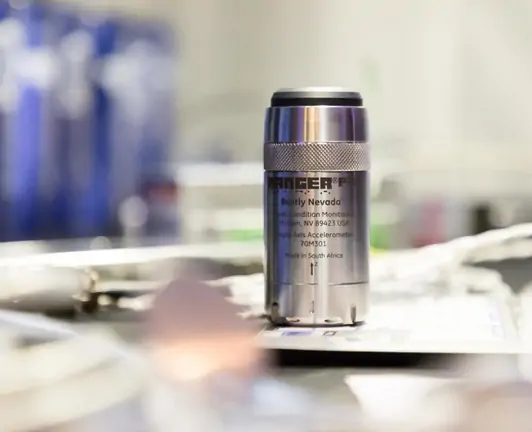
How to Diagnose & Troubleshoot 330500 Sensor Failures in Dusty or High-Temperature DCS Systems
Introduction
Industrial sensors like the 330500 series are critical for monitoring DCS systems, but harsh environments often lead to failures. Below, I’ll share practical steps and insights from my 15 years in automation to help you resolve these issues efficiently.
Understanding the Problem
Dust and high temperatures are the top enemies of 330500 sensors. Dust clogs airflow, causing overheating, while extreme heat damages internal electronics. Always start by inspecting environmental conditions before blaming the sensor itself.
Common Failure Patterns
Look for erratic readings, signal drops, or total shutdowns. In dusty areas, check for blocked vents. For high-temperature systems, focus on insulation degradation or melted wiring. Compare data logs to pinpoint when failures began.
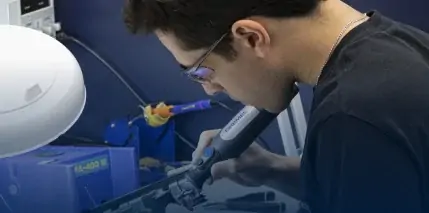
Step-by-Step Diagnosis
1. Visual Inspection: Clean dust using compressed air (low pressure).
2. Test Connections: Verify wiring integrity and terminal tightness.
3. Simulate Conditions: Use a heat gun to test sensor response.
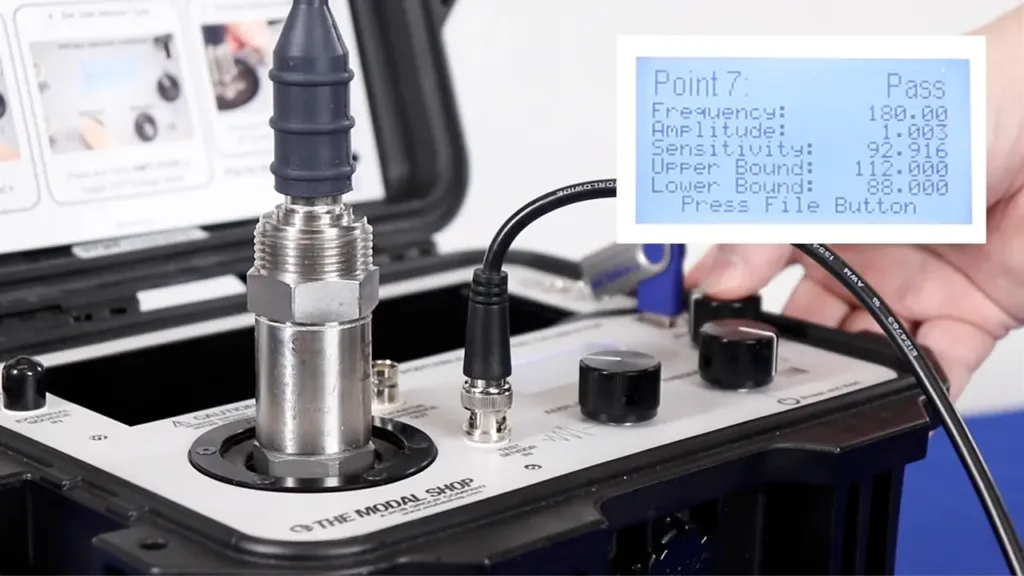
4. Calibration Check: Compare outputs against a reference device.
5. Firmware Update: Outdated software often causes false alarms.
Preventive Measures
Install protective enclosures with IP65+ ratings for dust. Use heat-resistant cables and apply thermal paste on sensor mounts. Schedule monthly cleanings and calibrations during low-production periods.
Final Recommendations
Never ignore minor fluctuations—they signal bigger issues. Partner with suppliers offering ruggedized sensors designed for extreme conditions. For reliable replacements, explore PLCDCS HUB Limited’s high-temperature DCS sensors or dust-proof sensor housings.
Need durable solutions? Browse PLCDCS HUB’s range of industrial sensors built to withstand tough environments. Click below to explore!
| Model | Title | Learn More |
|---|---|---|
| 330500-06-CN | Bently Nevada 330500 Velomitor Piezo Velocity Sensor | Learn More |
| 330500-07-00 | Bently Nevada 330500 Velomitor Piezo Velocity Sensor | Learn More |
| 330500-08-04 | Bently Nevada 330500 Velomitor Piezo Velocity Sensor | Learn More |
| 330500-08-02 | Bently Nevada 330500 Velomitor Piezo Velocity Sensor | Learn More |
| 330500-08-00 | Bently Nevada 330500 Velomitor Piezo Velocity Sensor | Learn More |
| 330500-03-01 | Bently Nevada 330500 Velomitor Piezo Velocity Sensor | Learn More |
Related Posts