
Master Motion Control with Siemens MASTERDRIVES Vector Inverters

Optimizing Factory Performance: Your Guide to Siemens 6SE7016 MASTERDRIVES Vector Inverters
The Critical Role of Precision AC Drives in Modern Automation
Modern factories rely on precise motion control for efficiency and quality. High-performance AC drives are essential components in these systems. The Siemens 6SE7016 series offers proven vector control technology. This guide helps you understand and select the right model for your application.
Core Principle: Understanding Vector Control Technology
Vector control separates motor flux and torque currents for precise regulation. This method provides superior low-speed torque and dynamic response. Therefore, it outperforms standard VFDs in demanding applications. The technology ensures accurate speed control under variable loads.
Model Analysis: Key 6SE7016 Variants and Their Specifications
Each model serves distinct power and performance requirements. Understanding these differences is crucial for optimal system design.
- ✅ 6SE7016-1EA71-Z: A robust drive converter for heavy-duty industrial environments.
- ⚙️ 6SE7016-0TP50-Z: Provides reliable DC-to-AC conversion for stable motor operation.
- 🔧 6SE7016-0TP60-Z: Delivers high-precision vector control for complex motion profiles.
- ✅ 6SE7016-0TP70-Z: Engineered for higher power demands and continuous heavy loads.
- ⚙️ 6SE7016-1TA51-Z: A versatile inverter solution for general factory automation tasks.
Industrial Applications: Where MASTERDRIVES Deliver Maximum Value
These drives excel in applications requiring precise speed and torque control. Common uses include conveyor systems, centrifugal pumps, and industrial fans. They are also ideal for machine tools and material handling equipment. As a result, they improve process consistency and energy efficiency.
Selection Strategy: Comparing Technical Differences and Features
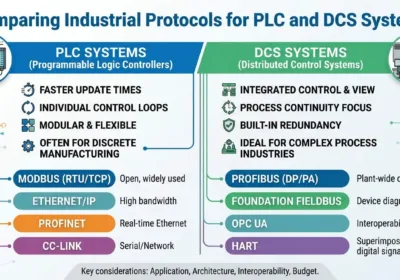
Key selection factors include power rating, voltage class, and control response. The 6SE7016-0TP60-Z offers advanced vector control for dynamic tasks. In contrast, the 6SE7016-1TA51-Z suits standard variable torque applications. Always verify communication protocol compatibility with your PLC or DCS.
Expert Commentary: PLCDCSHUB’s Insights on Drive Deployment
The 6SE7016 series represents mature, field-proven technology. Its strength lies in reliability and widespread industry familiarity. However, consider future-proofing with available communication upgrades. Proper commissioning and parameterization remain critical for success.
Implementation Case Study: Drive Retrofit in a Packaging Line
A food packaging line experienced inconsistent sealing due to speed variations. The team replaced standard drives with a 6SE7016-0TP60-Z vector inverter. They configured precise speed regulation and torque limits. Consequently, material waste decreased by 18% and line speed increased by 12%.
Sourcing Advice: Ensuring Quality and Reliability from PLCDCSHUB
Genuine components guarantee performance and safety. PLCDCSHUB Limited supplies certified, factory-fresh Siemens drives. We provide full documentation and technical support. For your next project, explore our MASTERDRIVES inventory for reliable solutions.
Practical FAQ: Answering Common Technical Questions
Q1: What maintenance is critical for long-term drive reliability?
Regularly check cooling fans and clean air filters. Monitor DC bus capacitor health annually. Keep environmental conditions within specified limits to prevent premature failure.
Q2: How do I integrate these drives with modern SCADA systems?
Use protocol converters like PROFIBUS to Ethernet gateways. Many plants implement OPC servers for data aggregation. This creates a bridge between legacy drive networks and new monitoring software.
Q3: What’s the first step in troubleshooting a drive fault?
Always check the fault code in the drive’s parameter list. Then verify power supply quality and motor insulation. Mechanical binding in the driven equipment causes many performance issues.
Related Posts