Maximize Precision with Photo-Chemical Etching for Automation
Optimizing Industrial Automation with Advanced Photo-Chemical Etching
The Growing Importance of PCE in Modern Manufacturing
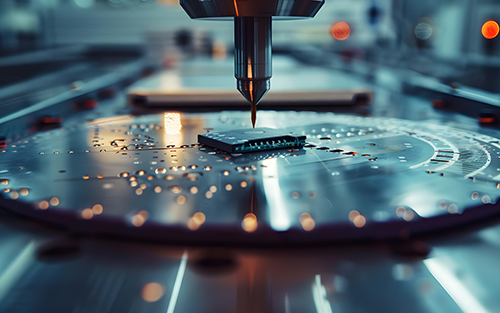
Photo-chemical etching transforms precision metal component production. This process enables complex geometries without thermal stress. According to MarketsandMarkets, the global chemical etching market will reach $3.5 billion by 2026. Therefore, understanding PCE becomes crucial for automation engineers. Moreover, PCE supports Industry 4.0 manufacturing requirements perfectly.
Understanding PCE’s Unique Advantages for Automation
PCE offers distinct benefits over traditional methods. It produces burr-free components consistently. This eliminates secondary processing steps effectively. Additionally, PCE maintains material properties unchanged. As PLCDCSHUB experts note, “PCE integrates seamlessly with automated assembly systems.” The process ensures dimensional stability across production runs.
Design Principles for Maximum PCE Efficiency
Successful PCE implementation requires specific design approaches. Consider these key principles:
- ✅ Design for manufacturability from concept stage
- ✅ Optimize tolerances based on functional needs
- ✅ Select appropriate metals for etching characteristics
- ✅ Leverage PCE’s capability for complex features
These practices ensure cost-effective production. They also maintain high precision standards.
Material Selection for Optimal Etching Results
PCE works with various metals and alloys. Common choices include stainless steels and copper alloys. Each material exhibits different etching characteristics. Therefore, material selection impacts final quality significantly. PLCDCSHUB recommends consulting suppliers early. This ensures optimal material-process compatibility.
Integration with Industrial Control Systems
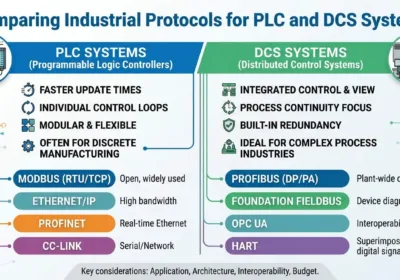
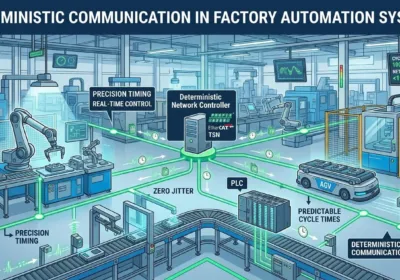
Modern PCE facilities utilize advanced automation systems. PLC and DCS controls manage etching parameters precisely. These systems maintain consistent process conditions. They also enable real-time quality monitoring. For reliable control components, consider PLCDCSHUB’s industrial automation solutions. Proper control systems ensure repeatable etching results.
Tolerance Optimization Strategies
PCE achieves exceptional precision levels. Typical tolerances reach ±0.025 mm. However, tighter tolerances increase costs substantially. Engineers should specify tolerances functionally. This balances performance with manufacturing economics effectively.
Real-World PCE Application Examples
Photo-chemical etching serves multiple industries successfully:
- ⚙️ Semiconductor processing components
- ⚙️ Medical device precision parts
- ⚙️ Aerospace filtration systems
- ⚙️ Automotive sensor elements
These applications demonstrate PCE’s versatility. They also highlight its precision capabilities.
Cost-Reduction Through Smart Design
Proper DfPCE implementation reduces total costs. It minimizes material waste through nesting optimization. Additionally, it eliminates secondary operations. One automotive manufacturer achieved 40% cost reduction. This resulted from comprehensive design for manufacturability.
Future Trends in Chemical Etching Technology
The PCE industry continues evolving rapidly. Key developments include:
- 🔧 Increased automation and monitoring
- 🔧 Enhanced environmental controls
- 🔧 Improved recycling systems
- 🔧 Tighter integration with Industry 4.0
These trends will further improve PCE’s capabilities. They will also expand its application range.
Frequently Asked Questions
What thickness range can PCE handle effectively?
PCE typically processes materials from 0.01 mm to 2.0 mm thick. However, specific capabilities vary by supplier.
How does PCE compare to laser cutting for precision parts?
PCE produces no heat-affected zones. It also maintains material properties better than laser cutting.
What are the lead times for PCE prototyping?
Prototypes typically deliver within 1-2 weeks. Digital tooling enables faster turnaround than hard tooling methods.
Conclusion: Leveraging PCE for Competitive Advantage
Photo-chemical etching offers unique manufacturing advantages. It enables complex geometries without tooling wear. Moreover, it maintains material integrity throughout processing. Implementing DfPCE principles maximizes these benefits effectively. Companies embracing PCE gain significant competitive edge. They achieve higher precision at lower costs.
Related Posts