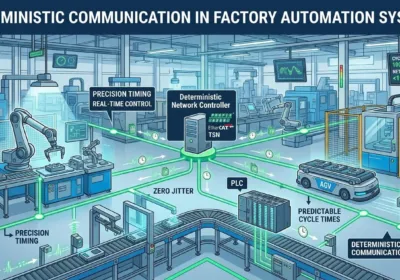
Optimize Factory Automation & Control Systems with a Virtual Twin
How a Virtual Twin Transforms Tariff Challenges into Manufacturing Opportunities
Global trade shifts and new tariffs are forcing manufacturers to rethink their production locations. Consequently, making smart capital investment decisions is now more critical than ever. A Virtual Twin provides the digital evidence needed to navigate this complexity with confidence.
The Core Investment Question in Modern Manufacturing
Manufacturers facing tariff pressures must answer a fundamental question. What is the true capital investment needed for new or expanded capacity? According to a PLCDCSHUB industry analysis, guessing this number without digital proof often leads to budget overruns and operational inefficiencies. Therefore, a data-driven approach is essential for strategic planning.
Gaining a Competitive Edge with a Virtual Twin
A Virtual Twin creates a dynamic 3D model of your entire production system. This model integrates all your existing data, like CAD drawings and bills of material. As a result, it provides a single source of truth for evaluating new facilities or process changes. At PLCDCSHUB, we see this technology as a game-changer for industrial automation strategy, turning capital expenditure from a risk into a calculated advantage.
A Step-by-Step Guide to Virtual Production Planning
Building and using a Virtual Twin involves a clear, logical process. This methodology ensures every aspect of the future factory is optimized before physical construction begins.
- Consolidate All Data: First, pull 2D drawings, 3D CAD models, and bills of material into one unified platform. This creates a single source of truth for all equipment and layout data.
- Process Engineering: Next, convert engineering BOMs into manufacturing BOMs (MBOM). Then, sequence operations and assign resources digitally to lock in the product-process design.
- Machining and Additive Manufacturing: Moreover, simulate NC toolpaths and additive layers directly on the twin. This validates surface quality and machine loads before any metal is cut.
- Virtual Factory Flow: In addition, layout machines and conveyors in 3D. Run flow simulations to check throughput and identify bottlenecks early in the planning phase.
- Robotics and Automation Integration: Furthermore, integrate library models of over 2,000 robots. Generate collision-free paths and optimize cycle times to ensure automation meets takt time without overspending.
- Ergonomics and Safety Validation: Also, evaluate human reach, posture, and load handling for manual tasks. Verify safe clearances between operators, robots, and AGVs.
- Virtual Commissioning: Subsequently, connect real PLC and robot code to the model. Debug logic and train operators in the virtual environment, slashing on-site commissioning time.
- Continuous Optimization: Finally, once live, stream MES and IoT data back into the twin. Monitor OEE and run “what-if” scenarios as market conditions change.
From Digital Blueprint to Operational Reality
This structured approach transforms scattered data into an actionable factory model. A MarketsandMarkets report projects the digital twin market to reach $73.5 billion by 2027, highlighting its growing adoption. By using a Virtual Twin, you can stress-test dozens of tariff and logistics scenarios in hours, not weeks. You can also lock in a configuration that maximizes Overall Equipment Effectiveness (OEE) from day one.
Practical Application: A Use Case Scenario
Consider an automotive parts supplier facing new import tariffs. They need to build a new assembly line in a different country. Using a Virtual Twin, they consolidate their global equipment data into one model. They then simulate the entire production process, optimizing robot placement and human workflow. As a result, they identify a 15% potential energy waste in the initial layout. They make corrections digitally, ensuring the final physical build is efficient and on budget. This proactive approach is a hallmark of modern control systems integration.
Expert Insight from PLCDCSHUB
The integration of Virtual Twins with core factory automation systems like DCS and PLC is the next frontier. This synergy allows for a closed-loop system where the virtual model continuously informs and optimizes the physical operation. We believe this is not just about avoiding tariff costs, but about building a more resilient and adaptive manufacturing enterprise. For a deeper dive into compatible technologies, explore the resources available at PLCDCSHUB.
Frequently Asked Questions (FAQ)
- What is the primary benefit of a Virtual Twin for capital planning? It replaces risky estimates with a data-driven, simulated business plan, significantly reducing investment risk and ensuring operational efficiency from day one.
- How does a Virtual Twin integrate with existing automation? It connects directly with PLC code and DCS configurations for virtual commissioning, allowing logic debugging and operator training before the physical line is built.
- Can a Virtual Twin help with ongoing factory operations? Yes, by streaming live MES and IoT data back into the model, it enables continuous monitoring and optimization of OEE in response to real-time production changes.
Related Posts