Precision Etching in Industrial Automation | PLCDCSHUB
Precision Etching: The Unseen Engine of Modern Industrial Automation
Industrial automation systems demand components with extreme precision and reliability. As a result, chemical etching has become a critical manufacturing process. This technology creates complex metal parts for PLCs, DCS, and other control systems without mechanical stress. This article, from the experts at PLCDCSHUB, explores how etching drives innovation across the industrial landscape.
The Core Principle of Chemical Etching
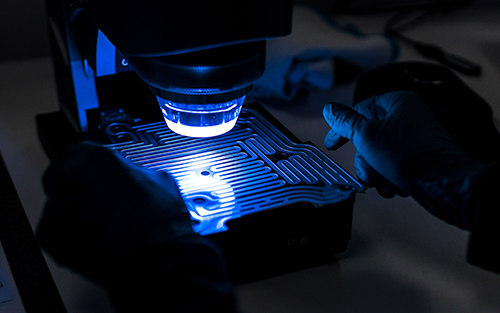
Chemical etching uses controlled chemical reactions to remove material. It achieves high precision for complex metal components. Moreover, the process leaves no burrs or thermal stress. This makes it superior to traditional stamping or laser cutting for delicate parts. Industrial automation relies on such precision for reliable system performance.
Revolutionizing Control System Components
Modern factories use sophisticated PLC and DCS for operation. These systems require precise internal components. For instance, etched parts are used in sensor housings, connector plates, and circuit board shields. A MarketsandMarkets report predicts the factory automation market will reach $306.2 billion by 2027. Therefore, demand for high-quality components will continue to grow.
Enhancing Robotics and Motion Control
Industrial robots depend on precise motor control and feedback systems. Etching produces thin, flexible shims and encoder disks. These parts ensure accurate positioning and movement. Major robotics brands like Fanuc and ABB utilize such components. As a result, etching supports the advancement of collaborative and industrial robots.
Critical Role in Thermal Management
Heat management is vital for industrial electronics. Etched aluminum plates create efficient heat exchangers. These components cool PLC racks, drive cabinets, and power supplies. They prevent overheating and system failure. In addition, they extend the equipment’s operational lifespan in harsh factory conditions.
Powering the Hydrogen and Electric Transition
The shift to green energy impacts industrial automation. Hydrogen production electrolyzers and fuel cells use etched bipolar plates. Similarly, EV charging infrastructure relies on etched busbars for power distribution. According to the IEEE, efficient power electronics are key to this transition. Etching enables the complex flow fields needed for optimal performance.
Supporting Rapid Prototyping and Customization
Agile development is essential in automation. Chemical etching allows for quick design changes. Tooling costs are low and lead times are short. This flexibility is crucial for prototyping new sensor modules or controller interfaces. Companies can test designs before committing to high-volume production.
Real-World Application Scenarios
- Automated Guided Vehicle (AGV) Battery Systems: Etched copper busbars connect battery cells. They provide high conductivity and include safety breakpoints.
- Industrial Sensor Housings: Etched stainless steel forms precise, rugged enclosures. They protect sensitive measurement electronics from dust and EMI.
- DCS I/O Module Shields: Thin, etched shields prevent signal cross-talk. They ensure data integrity in large distributed control systems.
Conclusion and Next Steps
Chemical etching is a foundational technology for advanced industrial automation. It provides the precision, flexibility, and reliability that modern control systems require. From robotics to energy transition, its applications are expanding.
For automation engineers and system integrators, understanding this process is key to selecting the right components. At PLCDCSHUB, we connect professionals with the technologies shaping the future of automation.
Discover how precision components can enhance your next automation project. Explore our resources and product listings at PLCDCSHUB.
Frequently Asked Questions (FAQ)
What materials can be chemically etched for industrial use?
The process works with many metals. Common choices include stainless steel, aluminum, copper, and nickel alloys. Material selection depends on the application’s requirements for strength, conductivity, or corrosion resistance.
How does chemical etching compare to laser cutting for control panel parts?
Etching is a non-contact, stress-free process ideal for thin, complex parts. Laser cutting can introduce heat-affected zones. Therefore, etching is often preferred for critical electronic components where material integrity is paramount.
Is chemical etching suitable for high-volume production in automation?
Yes, it is highly scalable. While perfect for prototyping, it also efficiently supports large-volume production runs. This makes it a versatile solution from initial design to full-scale manufacturing.
Related Posts