Precision Nitrogen Flow Measurement for Industrial Automation
Coriolis Flow Meters: Precision Measurement for Cryogenic Nitrogen Applications
Industrial automation requires reliable flow measurement in extreme conditions. Coriolis mass flow meters deliver exceptional accuracy for cryogenic nitrogen applications. This technology maintains precision at temperatures as low as -200°C. From PLCDCSHUB’s experience, these meters provide the reliability that automation systems demand.
The Critical Role of Nitrogen in Industrial Automation
Nitrogen serves vital functions across multiple industries. It protects sensitive electronics during manufacturing. Food processing uses it for packaging preservation. Pharmaceutical production relies on nitrogen for inert environments. According to MarketsandMarkets, the industrial gases market will reach $130.2 billion by 2027. Therefore, accurate flow measurement becomes increasingly important.
Understanding Nitrogen’s Physical Challenges
Nitrogen presents unique measurement difficulties. Its density changes dramatically with temperature. Liquid nitrogen at -196°C has 700 times greater density than gaseous nitrogen at 25°C. This variation causes problems for traditional flow meters. Volumetric devices cannot compensate for these extreme density shifts.
| State | Temperature Conditions | Density Range | Measurement Challenge |
| Gaseous Nitrogen | 25°C at 1 atm | ~1.17 kg/m³ | Low density compression effects |
| Liquid Nitrogen | -196°C at 1 atm | ~808 kg/m³ | Cryogenic temperature handling |
| Supercritical Fluid | >126.2 K | 100-500 kg/m³ | Hybrid phase properties |
Why Traditional Flow Meters Fail with Cryogenics
Conventional flow meters face multiple challenges with liquid nitrogen. Turbine meters experience bearing failure at low temperatures. Orifice plates become inaccurate due to density changes. Vortex meters struggle with two-phase flow conditions. Furthermore, material contraction at cryogenic temperatures affects mechanical accuracy.
Coriolis Technology Advantages for Cryogenic Applications
Coriolis mass flow meters offer distinct benefits for nitrogen measurement:
- Direct mass measurement unaffected by density changes
- No moving parts that can freeze or seize
- Cryogenic-rated materials like 316L stainless steel
- Integrated temperature monitoring capabilities
- High accuracy within ±0.2% of reading
Key Technical Specifications for Reliable Performance
Proper Coriolis meter selection ensures optimal performance. Industrial applications require specific technical capabilities:
- Temperature range: -200°C to +125°C
- Pressure rating: Up to 413 bar (6,000 psi)
- Accuracy: ±0.1% to ±0.5% of rate
- Communication: HART, PROFIBUS, Modbus
- Sizes: 1/8 inch to 8 inch line sizes
Industrial Automation Integration Solutions
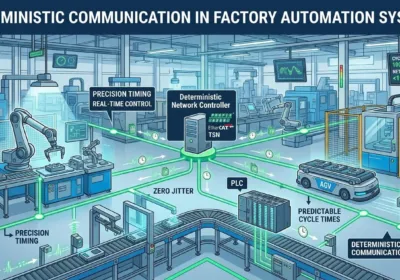
Coriolis meters integrate seamlessly with control systems. They connect directly to PLC and DCS platforms using standard protocols. This integration enables real-time monitoring and control. Process engineers can implement advanced control strategies. As a result, automation systems maintain optimal nitrogen usage.
Real-World Application Scenarios
Coriolis meters prove essential in multiple industrial settings:
- Electronics Manufacturing: Precise LN₂ control for semiconductor production
- Food Processing: Accurate nitrogen flow for modified atmosphere packaging
- Pharmaceuticals: Reliable inert gas blanketing for reaction vessels
- Energy Sector: Cryogenic nitrogen for LNG plant operations
Maintenance and Calibration Best Practices
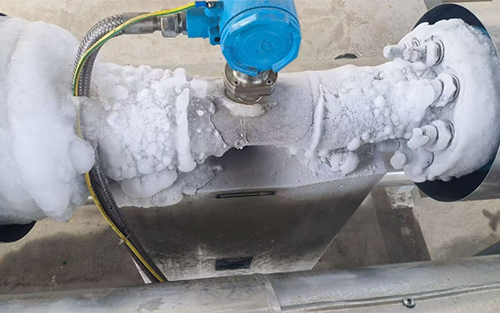
Proper maintenance ensures long-term accuracy. Regular calibration verification is essential. Installations should include proper thermal isolation. Additionally, operators should monitor for ice buildup. These practices maintain measurement reliability in cryogenic service.
Future Trends in Cryogenic Flow Measurement
Industry demands continue evolving. The IEEE notes increasing need for smarter measurement devices. Future Coriolis meters will feature enhanced diagnostics. They will also offer better two-phase flow handling. Furthermore, integration with IIoT platforms will become standard.
Expert Recommendations from PLCDCSHUB
Selecting the right flow meter requires careful consideration. Evaluate your specific temperature requirements. Consider the communication protocol needs. Verify material compatibility with your process. Most importantly, choose suppliers with cryogenic experience. These factors ensure successful implementation.
Need reliable flow measurement solutions for your automation system? Explore our comprehensive product range and technical resources at PLCDCSHUB.
Frequently Asked Questions
Can Coriolis meters handle two-phase flow in nitrogen applications?
Yes, modern Coriolis meters manage moderate two-phase flow conditions. However, extensive vaporization may affect accuracy. Proper system design minimizes phase changes through pressure maintenance.
What communication protocols do cryogenic Coriolis meters support?
Most models support industry standards including HART, PROFIBUS PA/DP, and Modbus RS485. This enables direct integration with major PLC and DCS systems from Siemens, Rockwell, and Emerson.
How often should cryogenic Coriolis meters be calibrated?
Manufacturers recommend annual calibration verification. However, critical applications may require more frequent checks. Always follow specific manufacturer guidelines and industry standards.
Related Posts