




_副本-副本-300x300.webp)

Description
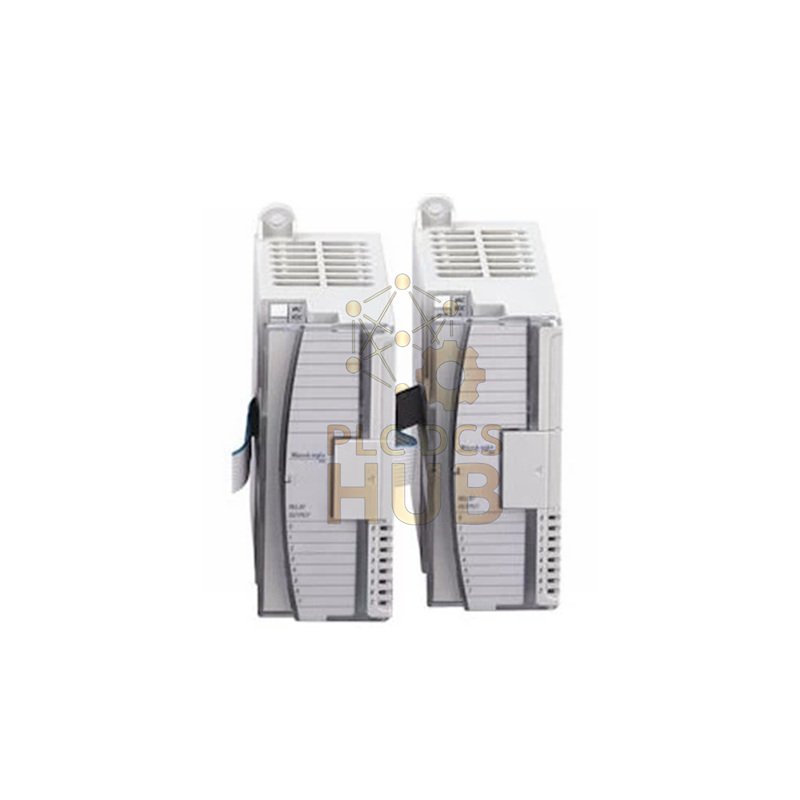
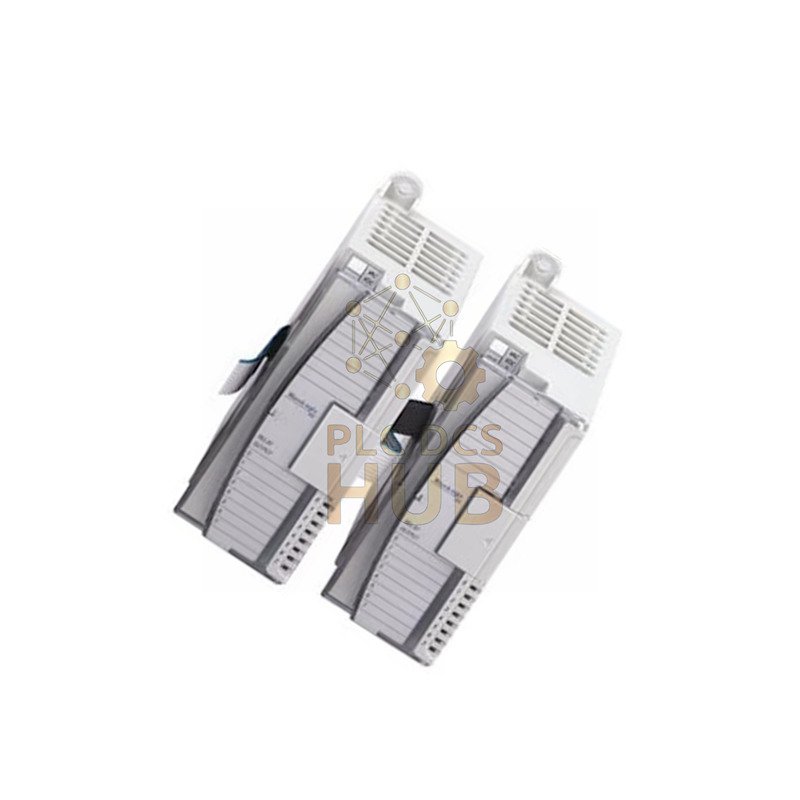
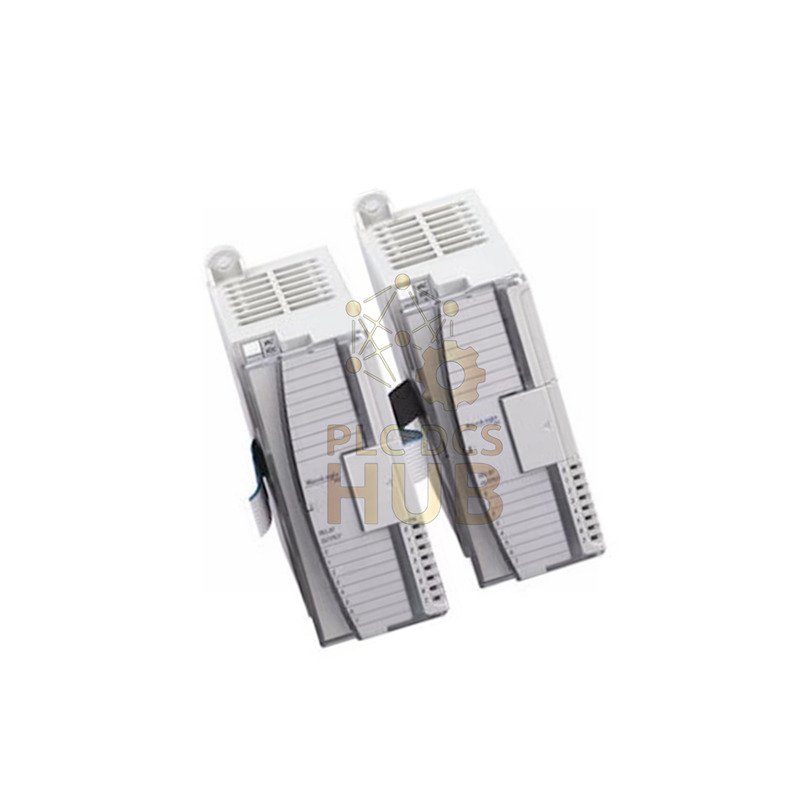
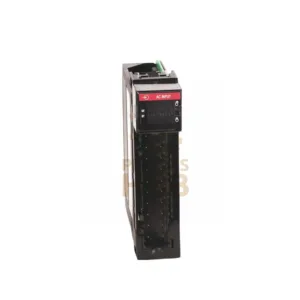
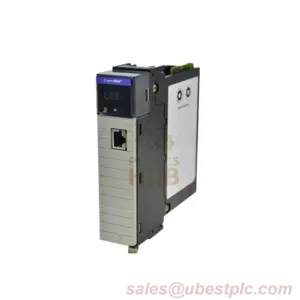
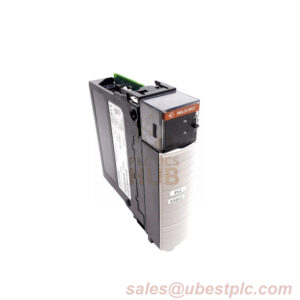
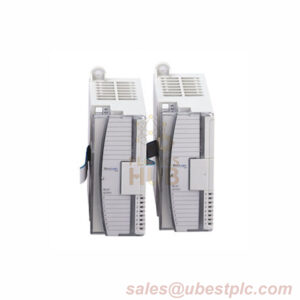
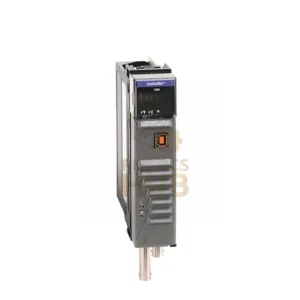
Allen-Bradley 1762-IT4 | Thermocouple & mV Input Module
Get a quote today! This precision temperature module includes our 12-month warranty and ships fast worldwide via FedEx, UPS, or DHL.
Product Overview
The Allen-Bradley 1762-IT4 is a specialized analog input module for temperature measurement. It connects thermocouples and mV sensors to MicroLogix controllers. It provides accurate temperature reading for process applications.
Detailed Technical Specifications
- Brand & Model: Allen-Bradley 1762-IT4
- Compatible Controllers: MicroLogix 1200 series
- Module Type: Thermocouple/mV Input Module
- Input Channels: 4 differential inputs
- Thermocouple Types: J, K, T, E, R, S, B, N, C
- mV Ranges: ±50mV, ±100mV
- Resolution: 15-bit plus sign
- Temperature Range: -210°C to 2315°C (-346°F to 4199°F)
- CJC Accuracy: ±1.3°C (±2.54°F)
- Filter Frequencies: 10, 50, 60, 250, 500, 1000 Hz
- Update Times: 7-303 ms (depending on filter setting)
- Power Consumption: 40mA @ 5.1V DC, 50mA @ 24V DC
- Heat Dissipation: 1.5W maximum
- Operating Temperature: 0°C to 55°C (32°F to 131°F)
- Dimensions: 90 x 87 x 40 mm (3.54 x 3.43 x 1.58 in)
- Conversion Method: Delta-Sigma
Installation & Compatibility
The 1762-IT4 mounts on DIN rail next to MicroLogix 1200 controllers. Use proper thermocouple extension wire. The module auto-calibrates during power-up for consistent performance.
Frequently Asked Questions
Q1: What thermocouple types does this module support?
A1: It supports types J, K, T, E, R, S, B, N, and C thermocouples.
Q2: What is Cold Junction Compensation (CJC)?
A2: CJC automatically corrects for temperature variations at the connection point, improving measurement accuracy.
Q3: Can I use different thermocouple types on different channels?
A3: Yes, each channel can be independently configured for different thermocouple types or mV ranges.
Q4: What wire should I use for thermocouple connections?
A4: Use proper thermocouple extension wire matching your sensor type for accurate measurements.
Q5: How do the filter settings affect performance?
A5: Higher filter frequencies (1000Hz) provide faster response but less noise rejection. Lower frequencies (10Hz) provide better noise rejection but slower response.
© 2025 PLCDCS HUB Limited. All rights reserved.
Original Source: https://plcdcshub.com/
Support, Inquiry, Contact: +86 158 8020 0923

0.0 Average Rating Rated (0 Reviews)