Replace, Repair or Retrain Guide for Industrial Automation
The Replace, Repair or Retrain Decision
Strategic Equipment Decisions: Replace, Repair or Retrain in Manufacturing
Manufacturing operations eventually face critical equipment decisions. Aging machinery requires careful evaluation and strategic planning. This comprehensive guide provides a structured decision-making framework.
The Manufacturing Equipment Dilemma
Factory managers encounter difficult investment choices regularly. They must balance repair costs against new equipment investments. Operator training requirements add another complexity layer. These decisions significantly impact production efficiency.
Comprehensive Machinery Assessment
Begin with thorough equipment and workforce evaluation. Analyze maintenance frequency for each machine. Determine if machines meet current production demands. Compare repair costs against new equipment investments.
Assess technological compatibility with existing systems. Older equipment often lacks modern connectivity. Newer machines integrate better with automation networks. This enhances overall factory automation performance.
Operator Skill Development
Evaluate workforce technical capabilities systematically. Identify skill gaps through performance analysis. Consider both machine operation and control systems knowledge. Targeted training often resolves operational challenges.
Okuma demonstrates training commitment through their Academy initiative. Rowan-Cabarrus Community College hosts this program. It combines theoretical and practical instruction. This approach builds operator confidence effectively.
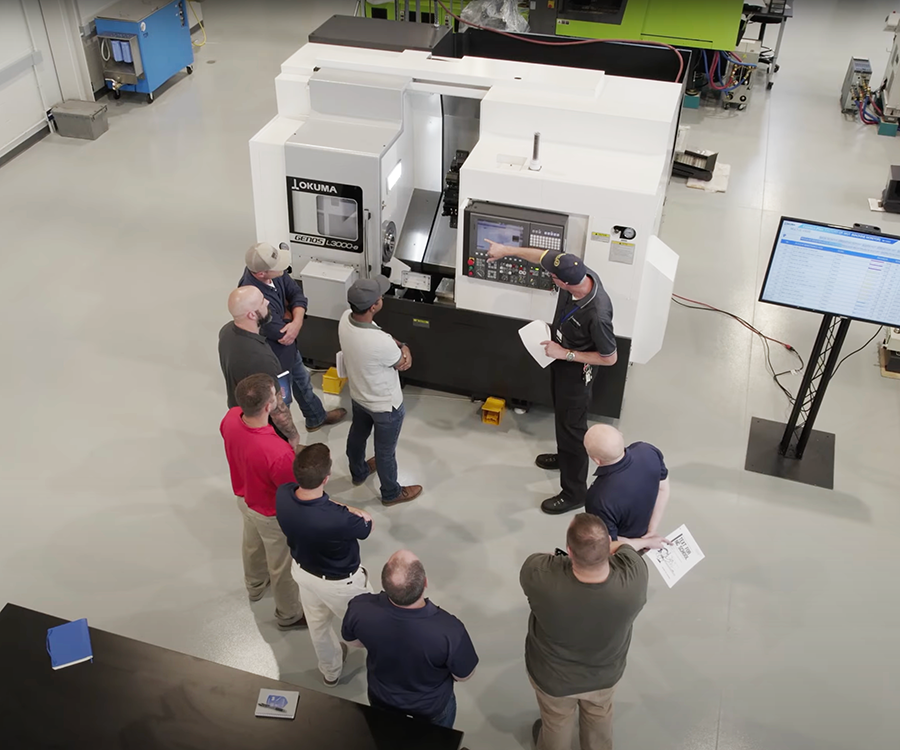
Figure 1: Okuma Machine Tool Academy is operated in partnership with Rowan-Cabarrus Community College.
Financial Analysis Framework
Calculate total ownership costs for existing equipment. Include repair frequency and parts availability. Factor in production downtime and quality issues. Compare against new machine financing options.
Consider that initial purchase represents only 15% of cost. Operational expenses comprise the remaining 85%. Warranty coverage affects long-term financial planning. Okuma provides industry-leading warranty terms.
Technological Advancement Benefits
Modern equipment offers significant technological advantages. Advanced CNC controls provide superior processing power. They enable simultaneous program execution. Enhanced security features protect manufacturing operations.
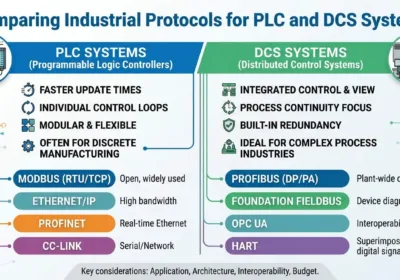
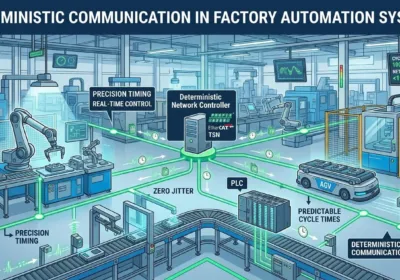
New machines integrate seamlessly with automation systems. They support modern PLC and DCS communication protocols. This improves production line coordination significantly. Consequently, operational efficiency increases substantially.
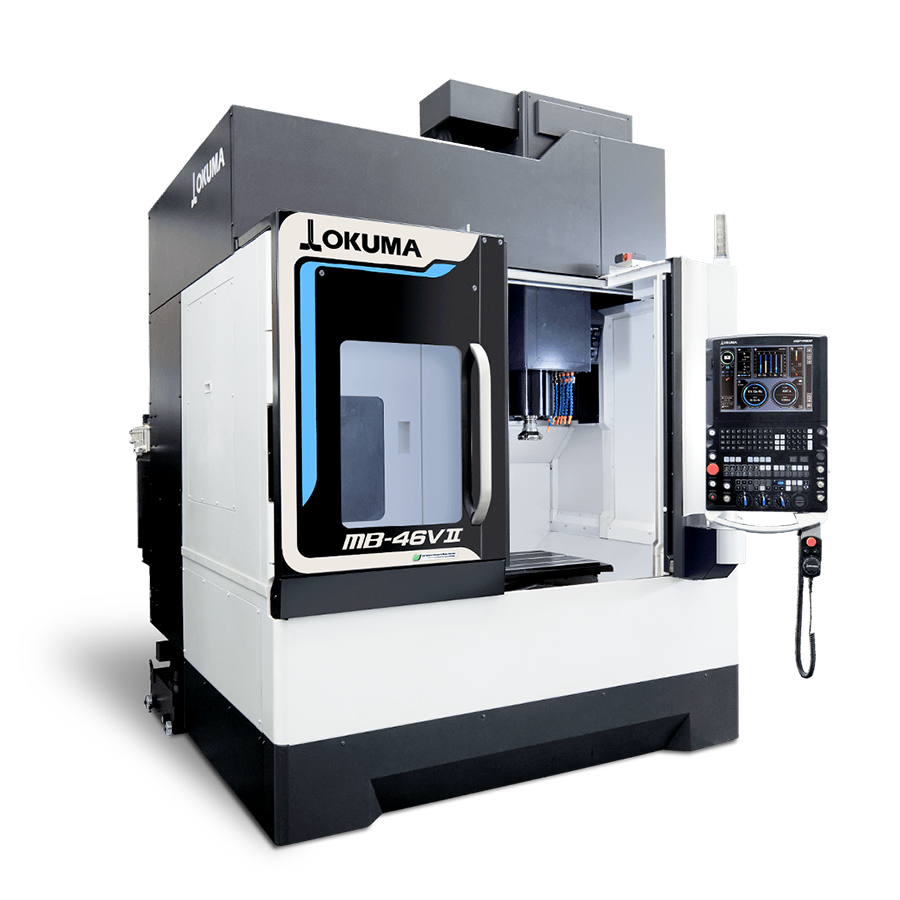
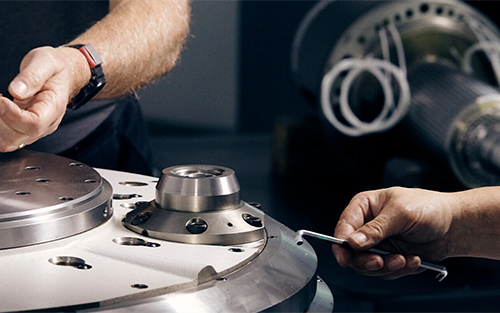
Figure 2: Okuma OSP-P500.
Operational Confidence Building
Modern equipment restores operator trust and confidence. Reliable machinery reduces test piece requirements. It minimizes material waste and rework time. Production scheduling becomes more predictable.
Industry Context and Market Data
The global industrial automation market shows strong growth. MarketsandMarkets projects it will reach $306.2 billion by 2027. This represents significant expansion from current levels. Companies must modernize to maintain competitiveness.
Financial Planning Strategies
Evaluate various equipment financing alternatives. Consider leasing versus purchasing arrangements. Budget for technology upgrades throughout equipment lifecycles. Remember that enhanced capabilities deliver higher returns.
Professional Analysis and Insights
From PLCDCSHUB’s industry experience, many facilities delay necessary upgrades. This often costs more than timely equipment replacement. Modern control systems dramatically improve efficiency. They also reduce maintenance costs considerably.
Industrial automation professionals should evaluate multiple factors. Equipment age and maintenance history provide crucial insights. Technological compatibility with existing systems matters greatly. Operator training requirements complete the assessment picture.
Companies implementing automation upgrades need reliable components. PLCDCSHUB supplies quality industrial control systems. Discover our PLC and DCS solutions for modern manufacturing here.
Implementation Approach
✅ Assessment Phase: Document equipment specifications and maintenance history. Analyze operator skills and training requirements thoroughly.
⚙️ Financial Analysis: Calculate total ownership costs for current equipment. Compare against new system implementation expenses.
🔧 Technology Evaluation: Research modern control systems and automation features. Ensure compatibility with existing production processes.
Frequently Asked Questions
What signals indicate equipment replacement necessity?
Frequent breakdowns, high maintenance costs, and declining quality indicate replacement need. Technological obsolescence also justifies upgrades.
How should companies calculate total ownership cost?
Include purchase price, installation, maintenance, downtime, energy use, and training expenses. Compare these against expected productivity improvements.
When should retraining take priority over replacement?
Choose retraining when equipment remains technologically current. Operator skill gaps rather than equipment limitations cause performance issues.
Download the August/September issue of Automation.com Monthly
Related Posts