Rugged Computing for Industrial Automation | Harsh Environment Solutions
Rugged Computing Solutions for Industrial Automation Environments
The Evolution of Industrial Mobile Computing
Rugged computing has transformed from military applications to industrial necessity. These devices now serve critical roles across multiple sectors. Manufacturing and logistics operations depend on reliable mobile technology. Standard consumer devices cannot withstand harsh industrial conditions.
Device Classification for Industrial Applications
Organizations must match hardware to specific environmental demands. Three device categories serve different operational needs. Consumer devices prioritize aesthetics and affordability. Commercial devices offer enterprise security features. Rugged devices deliver extreme environmental durability.
- Consumer-grade: Basic tasks in office environments
- Commercial-grade: Corporate security and manageability
- Rugged-grade: Extreme condition performance
Industrial Sector Applications
Rugged computing supports mission-critical operations across industries. Manufacturing facilities use tablets for shop floor data collection. Logistics companies deploy them for warehouse management systems. Field service technicians rely on rugged laptops for remote diagnostics.
- Manufacturing plant floor operations
- Logistics and warehouse management
- Field service and maintenance work
- Utility and energy sector operations
Total Cost of Ownership Analysis</3>
Consumer devices create hidden costs in industrial settings. Frequent failures cause production downtime and safety risks. According to Dell’s 2025 analysis, TCO exceeds $5,000 per unit. This includes replacements and productivity losses.
Commercial Device Limitations
Enterprise commercial devices struggle in harsh conditions. They lack environmental certifications for industrial use. Shock and vibration cause premature failures. Extreme temperatures disrupt normal operation. Depot repairs create extended downtime periods.
Modern Rugged Device Features
Today’s rugged computers combine durability with advanced features. They match commercial device performance specifications. Modern designs reduce bulk while maintaining protection. Windows and Android platforms support enterprise applications.
- IP67 ingress protection ratings
- Military-standard durability testing
- Enterprise security and management
- Thermal resilience for extreme conditions
Industrial Automation Integration
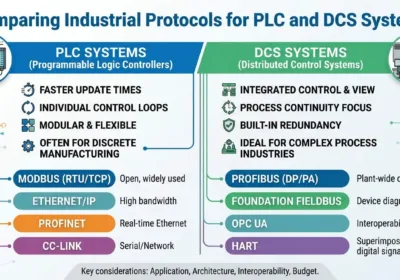
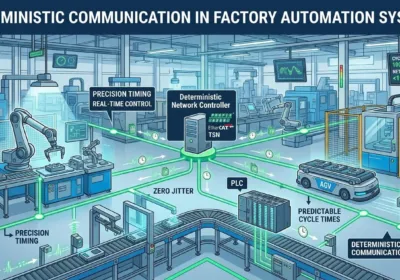
Rugged devices interface with control systems effectively. They connect to PLC and DCS networks seamlessly. Real-time data collection supports decision making. Maintenance teams access diagnostic information remotely. PLCDCSHUB emphasizes proper network integration.
Identifying Organizational Needs
Most companies have unrecognized rugged computing requirements. Field personnel and mobile operators need durable devices. Environmental conditions determine device specifications. Proper assessment prevents operational disruptions.
Strategic Implementation Benefits
Rugged computing delivers measurable operational advantages. Reduced downtime increases production capacity. Lower failure rates decrease support costs. Enhanced safety protects personnel and assets. According to MarketsandMarkets, the rugged device market will reach $10 billion by 2027.
Industrial Application Scenario
Situation: Manufacturing plant needs mobile devices for production floor monitoring.
- Solution: Deploy rugged tablets with PLC interface capability
- Implementation: Real-time production data collection and analysis
- Result: 30% reduction in downtime reporting time
The system improved response times for production issues significantly.
Frequently Asked Questions
Q: How do rugged devices withstand manufacturing environment challenges?
A: Rugged devices feature sealed enclosures preventing dust and liquid ingress. They use solid-state components and shock-mounted storage to survive vibrations and drops common in industrial settings.
Q: What connectivity options do rugged computers offer for industrial networks?
A: Modern rugged devices include Ethernet, serial ports, and wireless options supporting industrial protocols. They integrate with PLC systems through OPC UA and other standard interfaces for real-time data exchange.
Q: How long do rugged devices typically last in continuous industrial operation?
A: Quality rugged computers maintain reliable operation for 5-7 years in harsh environments. Their extended lifecycle reduces replacement frequency and total cost of ownership compared to consumer devices.
For industrial computing solutions that integrate with automation systems, visit PLCDCSHUB for rugged devices and control components.
Related Posts