Software-Defined Automation for Water Infrastructure Management
How Software-Defined Automation Revolutionizes Water Infrastructure Management
The Growing Challenge of Modern Water Infrastructure
Cities worldwide face increasing water management challenges. Aging infrastructure and climate change create urgent needs. According to the American Water Works Association, water utilities need $1 trillion in upgrades. Schneider Electric addresses these challenges with innovative automation solutions.
Conroe’s Strategic Investment in Smart Water Systems
Conroe, Texas is implementing groundbreaking water infrastructure upgrades. The city selected EcoStruxure Automation Expert for 19 facilities. This software-defined approach delivers significant benefits:
- $50 million infrastructure modernization program
- Rapid deployment across multiple facilities
- Enhanced operational efficiency and transparency
- Improved resilience against climate events
The system supports Conroe’s rapid population growth effectively.
Key Advantages of Software-Defined Automation
EcoStruxure Automation Expert transforms traditional water management. The platform offers revolutionary capabilities:
- Modular architecture reduces engineering complexity
- Hardware-independent design increases flexibility
- Secure remote operations enable efficient monitoring
- Built-in cybersecurity protects critical infrastructure
These features represent the future of industrial automation.
Tangible Benefits for Municipal Water Operations
Conroe’s implementation delivers measurable results across multiple areas:
- Accelerated project deployment timelines
- Reduced water loss through better control systems
- Lower operational costs through optimization
- Enhanced disaster recovery capabilities
The system demonstrates practical industrial automation advantages.
Cybersecurity in Critical Infrastructure Automation
Modern water systems require robust security measures. Schneider’s approach includes:
- Secure-by-design operations architecture
- Comprehensive threat protection systems
- Remote access with advanced authentication
- Continuous monitoring and updates
These features ensure reliable protection for essential services.
Global Adoption of Advanced Automation Solutions
Cities worldwide are adopting similar automation strategies. Singapore and other municipalities show successful implementations. Key global trends include:
- Vendor-agnostic platform adoption
- Energy efficiency optimization
- Reduced maintenance downtime
- Improved diagnostic capabilities
This global movement demonstrates the solution’s effectiveness.
Expert Analysis: The Future of Water Management Automation
From PLCDCSHUB’s perspective, this case study reveals important trends. Software-defined automation represents the industry’s future. Key observations include:
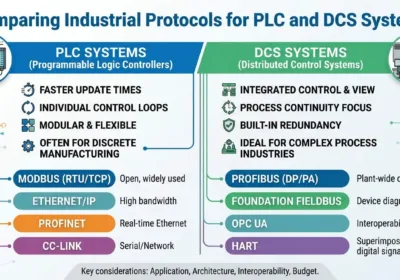
- Traditional PLC systems are evolving toward software-centric approaches
- Open architectures enable better system integration
- Cybersecurity becomes integral to control system design
- Modular designs support gradual infrastructure upgrades
These developments align with Industry 4.0 principles in municipal applications.
Implementation Strategies for Municipal Automation
Cities considering similar upgrades should consider these steps:
- Conduct comprehensive infrastructure assessment
- Develop phased implementation roadmap
- Train operational staff on new systems
- Establish continuous improvement processes
Proper planning ensures successful digital transformation.
Connecting Innovation to Practical Municipal Solutions
Implementing advanced water automation requires specialized expertise. For municipalities seeking industrial automation guidance, PLCDCSHUB provides comprehensive control system solutions. Our experience helps optimize water infrastructure management effectively.
Frequently Asked Questions
- How does software-defined automation differ from traditional systems? It separates software from hardware, enabling greater flexibility and easier updates.
- What cybersecurity measures protect water infrastructure? Secure-by-design architecture, remote access controls, and continuous monitoring provide comprehensive protection.
- How quickly can cities implement these automation solutions? Modular designs enable phased implementation, with initial benefits realized within months.
Related Posts