KUKA Robotics Showcases Industrial Automation Solutions
KUKA Robotics to Demonstrate Innovative Automation Solutions at Robonumérique Lévis 2025
KUKA Showcases Advanced Industrial Automation and Robotics Solutions
Event Overview and Exhibition Details
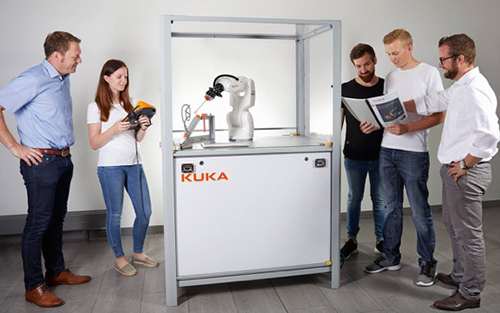
KUKA Robotics presents advanced automation at Robonumérique Lévis. This event occurs November 4-5 in Quebec, Canada. The company demonstrates multiple innovative solutions. Moreover, they feature partnerships with system integrators.
Smart Welding Demonstration
KUKA partners with OptiMach for live welding demonstrations. They utilize KR CYBERTECH nano robot technology. The system incorporates real-time vision and artificial intelligence. Additionally, virtual scanning analyzes parts automatically. This plug-and-play solution requires no programming. Therefore, it accommodates all skill levels effectively.
Autonomous Mobile Robot Capabilities
The KMP 600P AMR handles 600 kg payloads efficiently. It navigates tight production environments successfully. This mobile robot operates in room 101A during the event. Furthermore, it interacts with real-world fixtures and obstacles. Consequently, it demonstrates practical intralogistics applications.
Digital Software and Control Systems
KUKA displays next-generation iiQKA.OS software platforms. The iiQWorks digital engineering suite simplifies automation design. Additionally, the KR C5 micro-2 controller offers ultra-thin design. These systems integrate with industrial PLC and control systems. They enable seamless factory automation implementation.
Robotics Education and Training
KUKA emphasizes educational solutions significantly. The ready2_educate mobile cell features SmartBinPicking software. An LBR iisy cobot demonstrates simple task teaching. Furthermore, education kits support robotics training programs. These initiatives address industrial automation skills gaps.
Technical Support and Services
KUKA provides comprehensive customer support services. These include system engineering and simulation capabilities. Additionally, they offer training and spare parts availability. The my.KUKA.com platform enables instant access. Therefore, customers receive responsive assistance continuously.
Industrial Automation Market Context
The global robotics market demonstrates strong growth trends. MarketsandMarkets projects it reaching $91 billion by 2028. Industrial automation adoption accelerates across sectors. Moreover, collaborative robots show particular growth potential. KUKA’s solutions address these evolving market demands.
Technical Implementation Features
✅ PLC Integration
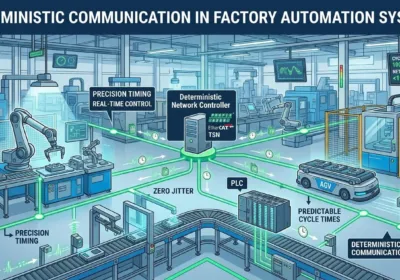
KUKA systems connect with industrial PLC networks seamlessly. This enables coordinated control across manufacturing operations.
✅ Control Systems Compatibility
Robotics solutions interface with DCS and SCADA platforms. Therefore, they support comprehensive factory automation strategies.
⚙️ AI and Vision Systems
Artificial intelligence enhances robotic precision and adaptability. Machine vision enables real-time process adjustments.
Application Scenarios and Use Cases
Manufacturing facilities implement KUKA solutions for multiple applications. Automotive plants utilize robotic welding systems extensively. Electronics manufacturers employ precision assembly robots. Logistics centers deploy AMRs for material transport. These applications demonstrate industrial automation versatility.
PLCDCSHUB Professional Analysis
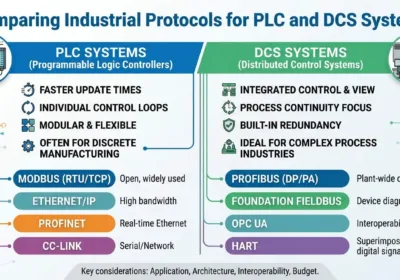
KUKA’s demonstrations highlight industrial automation evolution. As PLCDCSHUB experts observe, robotics increasingly integrate with control systems. Modern factories require seamless PLC-robot communication. However, implementation requires careful system integration planning. We recommend exploring PLCDCSHUB’s control system solutions for robotics integration projects. Our expertise ensures successful automation implementation.
Implementation Considerations
Organizations should evaluate several key factors initially. First, assess existing control system compatibility requirements. Second, determine payload and precision specifications. Third, plan for operator training and maintenance. Proper planning ensures optimal automation outcomes.
Industry Trends and Future Directions
Industrial robotics continues evolving rapidly toward greater intelligence. AI integration enables adaptive manufacturing processes. Furthermore, collaborative robots enhance human-robot interaction. Mobile robotics transforms material handling operations. These trends shape future factory automation landscapes.
Frequently Asked Questions
How do robotics systems integrate with existing PLC controls?
Robots connect via industrial networks and communication protocols. This enables coordinated operation with other automation equipment.
What industries benefit most from KUKA automation solutions?
Automotive, electronics, logistics and consumer goods sectors achieve significant efficiency improvements through robotic automation.
How does artificial intelligence enhance robotic welding performance?
AI enables real-time path adjustment and quality monitoring. This improves weld consistency and reduces manual intervention.
For industrial automation and control system integration, visit PLCDCSHUB.com
Related Posts