




Description
Product Overview
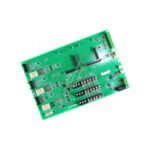
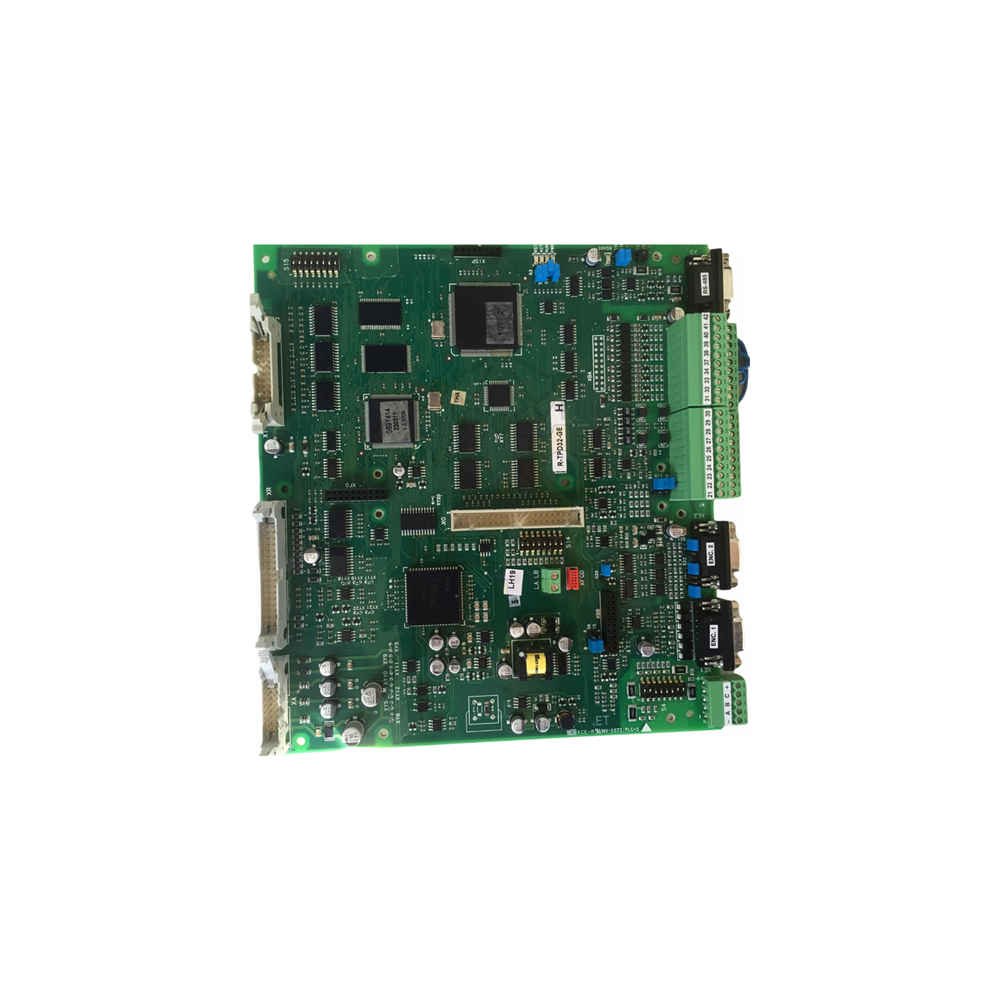
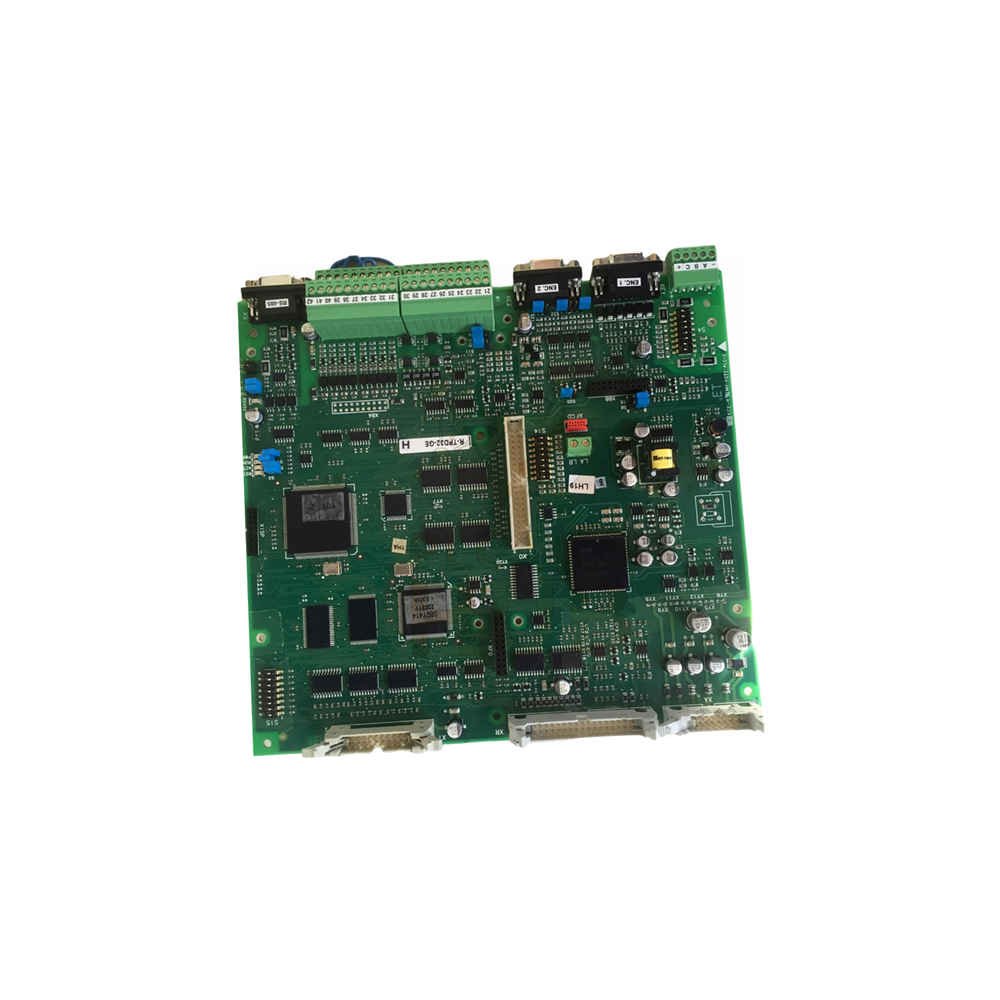
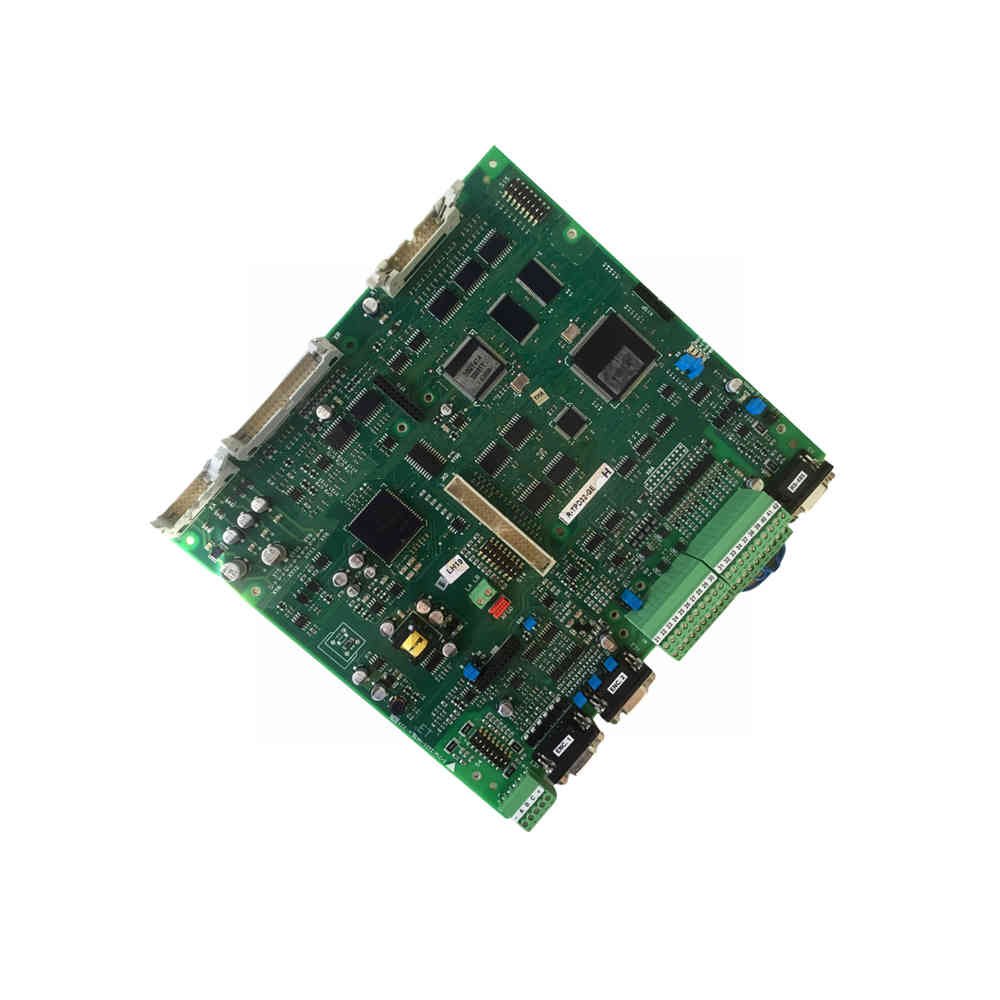
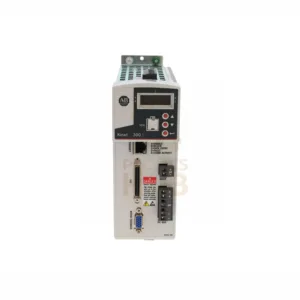
The GE IS200TREAH2A is a Turbine Emergency Trip Terminal Board from the Mark VIe series. It works with PPRO turbine I/O packs. This board shuts down turbines during emergencies. Made in USA.
What This Board Does
– Monitors turbine speed using nine pulse rate devices – Provides voted output contacts to trip the system – Detects relay shorting to maintain trip reliability – Works with 24V DC and 125V DC circuits – Sends voltage status to system controller
Key Features at a Glance
– Triple Modular Redundancy (TMR) voting pattern – Six form devices arranged in voting sets – Built-in sensing circuit for relay short detection – Four voltage detection circuits (24-125V DC) – Three general-purpose isolated voltage sensors – Surface mount technology – Temperature range: -30°C to 65°C
Technical Specifications
– Brand: General Electric (GE) – Part number: IS200TREAH2A – Series: Mark VIe – Product type: Turbine Emergency Trip Terminal Board – Country of manufacture: United States (USA) – Height: 33.0 cm – Width: 17.8 cm – Technology: Surface mount – Temperature range: -30°C to 65°C – Availability: In Stock
Model Number Breakdown
 IS200TREAH2A │ │ │ │
└─ A = Revision A │ │ │
└─── 2 = Second version │ │
└───── H = H series variant │
└──────── TREA = Turbine Emergency Trip Board
└──────────── IS200 = Mark VIe series prefix
Customer Input Terminals
Option 1 – Barrier Terminal Blocks – Two 24-point pluggable blocks (H1A, H2A) – Accessible from front of board
Option 2 – Euro-style Box Terminals
48 pluggable terminals (H3A, H4A)
Euro-style box design
Pulse Rate Speed Sensing
– Nine passive pulse rate devices total – Three devices per X, Y, and Z section – Each device senses a toothed wheel – Measures turbine speed accurately
Jumper Blocks
– Fan one set of three speed inputs – Send same speed signal to all three PPRO I/O packs – Ensures synchronization across packs – Provides redundancy for speed measurement
Output Contacts (Two Sets)
Set One (H1A, H3A) – Operates at 24V DC – TMR voted output contacts
Set Two (H2A, H4A)
Operates at 125V DC
TMR voted output contacts
Trips system during emergencies
Voltage Detection Circuits
– Four circuits for 24-125V DC detection – Monitor the trip string continuously – Ensures system integrity and safety
Isolated Voltage Sensor Inputs (Three Total)
PWR – Power Supply Monitoring – Senses voltage for two trip strings – Checks if power stays in acceptable range
SOL1 – Solenoid Voltage Monitoring
Monitors solenoid voltage of controlled device
Ensures correct voltage for activation
SOL2 – Second Solenoid Monitoring
Same function as SOL1
For separate solenoid or backup
Note: Sensors work for many applications, not just these examples.
Daughterboard Connectors
– Enable optional feature expansion – Add capabilities as needed – Future-proof your system
Trip Relay Voting Pattern
– Six form devices in each set – If two controllers vote to close a relay: – Conduction path through the set activates the relay – Two-out-of-three voting ensures redundancy
Relay Short Detection
– Sensing circuit on each relay set – When relays open but voltage stays present: – Circuit detects shorted relays – Sends alarm signal to PPRO I/O pack – Uses inputs from all three packs – Prevents false indications
Installation Guide
– Mount in Mark VIe control system cabinet – Connect customer inputs via H1A, H2A or H3A, H4A – Attach speed sensors to toothed wheel – Set jumper blocks for speed input fanning – Connect output contacts to trip circuits – Wire voltage sensors to monitor points – Keep temperature between -30°C and 65°C
Debugging & Maintenance
– Check relay short alarms on PPRO I/O pack – Monitor voltage sensor readings from controller – Verify voting pattern works correctly – Test trip function during scheduled maintenance – No special tools needed for jumper settings
Compatibility
– Works with PPRO turbine I/O packs – Part of GE Mark VIe control system – Compatible with standard 24V DC and 125V DC systems – Use with GE turbine applications only
What’s in the Box
– 1 x IS200TREAH2A terminal board – No terminal blocks included (sold separately) – No cables included – No mounting hardware included
Warranty & Shipping
– 12 months warranty from purchase date – Covers manufacturing defects only – Shipping methods: FedEx, UPS, DHL – Fast worldwide delivery available
Typical Applications
– GE Mark VIe turbine control systems – Power generation plants – Gas turbine emergency shutdown – Steam turbine protection systems – Critical infrastructure requiring TMR voting
Diagnostic Capabilities
– Relay short detection with alarms – Trip string voltage monitoring – Speed measurement from nine sensors – Three redundant voltage sensor inputs – Voting pattern verification
FAQ – Frequently Asked Questions
Q1: What does TMR mean for this trip board?
A: TMR means Triple Modular Redundancy. Two out of three controllers must vote to close a relay before it trips.
Q2: Can I use this board with 48V DC systems?
A: Yes. The voltage detection circuits work from 24V DC up to 125V DC. 48V DC is within this range.
Q3: From experience, what causes most false trip alarms?
A: Loose wiring on H1A or H2A terminal blocks. Vibration loosens connections over time. Check torque every 6 months.
Q4: How do I test if my relay short detection works?
A: Simulate a stuck relay during maintenance. Force one relay to stay closed. The board should trigger a short alarm to the PPRO pack.
Q5: What happens if one speed sensor fails?
A: The other two sensors in that section still work. Each X, Y, Z section has three sensors for redundancy.
Q6: Does the 12 month warranty cover lightning damage?
A: No. Warranty covers factory defects only. Add external surge protection for lightning-prone areas.
Q7: Which shipping method do you recommend for critical spares?
A: DHL Express Worldwide for fastest delivery. FedEx Priority Overnight for US locations. UPS Next Day Air for Europe.
Q8: Can I use this board with non-GE turbines?
A: Technically yes, but not recommended. GE designs this board specifically for GE turbine control systems.
Selection Guide
– Step 1: Confirm your system is GE Mark VIe (not Mark V or Mark VI) – Step 2: Verify you need emergency trip functionality – Step 3: Check your voltage requirements (24V DC or 125V DC) – Step 4: Count how many speed sensors you need (max nine) – Step 5: Decide if you need daughterboard expansion – Pro tip: Order a spare board for critical turbines. Emergency trip boards rarely fail, but when they do, you cannot run without one.
Need help with turbine protection system design? Contact our team.
Contact Information
For inquiries: +86 158 8020 0923 (WhatsApp)
Copyright © 2026 PLCDCS HUB Limited. All rights reserved.
Original Source: https://plcdcshub.com/
Partner: Powergear X Automation Limited
Partner: Oiltech Controls Limited
0.0 Average Rating Rated (0 Reviews)