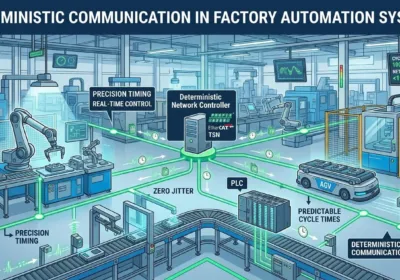
Integrating PLC and DCS Systems with SCADA: Enhancing Control and Monitoring
Introduction
Are you looking to improve your industrial control systems? As a seasoned engineer in the field, I know that connecting your PLC (Programmable Logic Controller) and DCS (Distributed Control System) with SCADA (Supervisory Control and Data Acquisition) is key. This integration is crucial for modern industrial automation, allowing you to manage and monitor your entire plant from a single, centralized location. The result? Better efficiency, greater reliability, and more informed decision-making.
Understanding the Role of Each System
First, let’s break down what each system does.
- PLCs are the workhorses of automation. They are small, rugged computers that handle specific, fast-paced tasks on the factory floor, such as controlling a conveyor belt or a motor. Think of them as the hands-on workers doing the detailed jobs.
- DCS systems manage large, complex processes, like those found in chemical plants or refineries. They are designed for continuous control and are often used for plant-wide operations. You can see them as the site supervisors, overseeing many different parts of a large project.
- SCADA is the master control system. It collects data from both PLCs and DCS systems, presents it to operators on a human-machine interface (HMI), and allows them to monitor and control processes from a central control room. SCADA acts as the plant manager, giving a high-level view and the ability to intervene when needed.
The Challenges and My Insights on Integration
Integrating these systems isn’t always easy. My experience has taught me a few key things:
- Communication is Critical: The biggest hurdle is making sure all systems can “talk” to each other. This often requires using standardized communication protocols like Modbus, OPC, or Ethernet/IP. I always recommend choosing a protocol that offers strong security and high reliability to protect your data.
- Centralized Data: The power of integration lies in having all your data in one place. A well-designed SCADA system should not just collect data but also organize it in a way that provides meaningful insights. This allows you to spot trends, predict maintenance needs, and react faster to problems.
- Security First: As you connect more devices, your system becomes more vulnerable to cyber threats. It’s my firm belief that security must be a top priority from the very beginning. This includes using firewalls, strong passwords, and regular software updates.
Enhancing Control and Monitoring
With a properly integrated system, you can achieve some great benefits:
- Real-time Monitoring: Operators can see exactly what’s happening on the plant floor in real-time, making it easier to detect and fix problems before they escalate.
- Better Data Analysis: By collecting historical data, you can analyze performance, identify areas for improvement, and optimize your operations over time.
- Improved Alarming and Notifications: A smart SCADA system can be configured to send alerts to the right people, allowing for a quicker response to critical events.
Ready to enhance your control and monitoring capabilities? Explore our solutions. [Click here to see how PLCDCS HUB Limited can help you integrate your PLC, DCS, and SCADA systems seamlessly.]
Related Posts